Posted in Uncategorized

Creating a Story Setting that Doubles as a Character

Have you ever experienced a book whose setting itself was a living, breathing part of the story? That the setting is so alive and so real in your mind that the story couldn’t be told without it? Of course, you have. That’s what happens when your setting becomes a character, and that’s when your story becomes even more compelling.

Further, this is a technique not only for fiction writers. Consider the setting in true-crime nonfiction, or memoir, or biography. Even real places with real people can come alive and be another essential character.

Two years ago, my novel “We Came From Away” debuted. Set on the island of Newfoundland, the story would be nothing without its setting. Readers told me they felt as if they were there—they could feel the place. When a reader feels the place—the setting—it has come alive. And the truth is that the story in “We Came From Away” would be nothing without the setting.

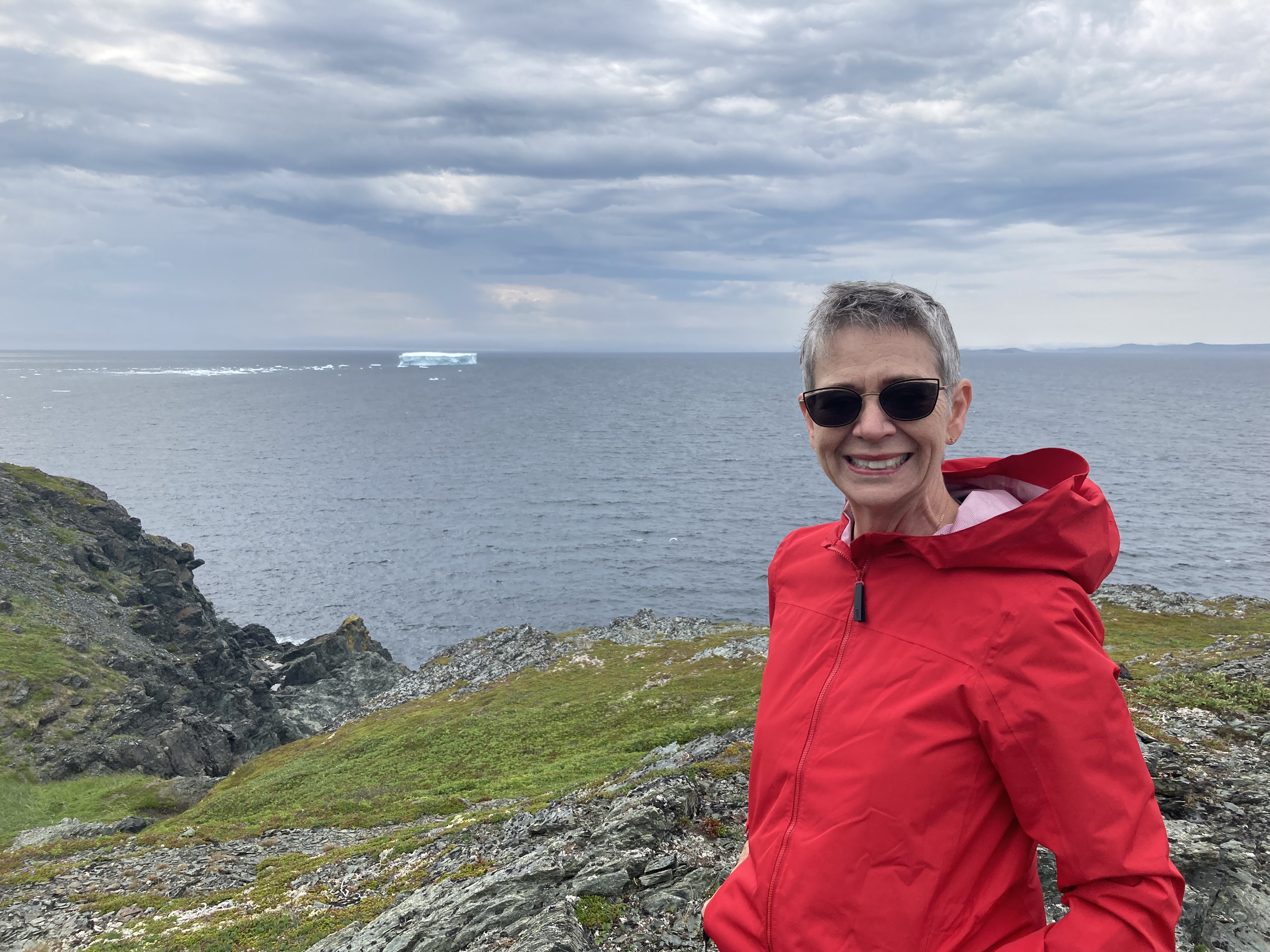
Here are some of the pieces of the setting for the novel from that trip I took to the island of Newfoundland a couple of years ago. These became part of the setting’s backstory.


When I was writing that book, I learned a lot about how a setting comes alive with personality and purpose. In this episode of WRITE. FIX. REPEAT. I’m sharing five tips I learned.
Posted in Nonfiction Writing, Uncategorized

Keys to Writing Creative Nonfiction

I began my writing career as a nonfiction writer. Most of what I did in my early years was in the specific genre of “prescriptive nonfiction.” Eventually, my appetite for more creativity kicked in, and I transitioned my research skills into some creative nonfiction before I moved into writing fiction. But I’ve always realized that my forays into creative nonfiction were just the bridge I needed to get me into writing novels.

Creative nonfiction, also called narrative nonfiction, occupies the fascinating intersection of fact and storytelling. This genre combines the authenticity of factual writing with the artfulness of literary techniques, resulting in works that are as compelling as fiction but rooted in actual events, people, and experiences. Whether you’re recounting personal experiences, exploring historical events, or delving into cultural commentary, creative nonfiction offers an expansive playground for writers.

My latest episode of WRITE. FIX. REPEAT. has some tips for writing nonfiction.

Whether you’re an aspiring memoirist, a budding essayist, or a seasoned journalist, creative nonfiction offers myriad opportunities to tell important stories. If you approach your writing with honesty, curiosity, and creativity, you’ll create stories that resonate with readers. The truth isn’t just stranger than fiction—it’s often more enthralling.

Posted in Uncategorized

The End of Another First Draft: And is the Ending “Right”?

Just last Friday, I typed those two sought-after words on the first draft of a new book project: “The End.” Then, I sat back to consider how to celebrate. Of course, now you’re thinking, just get back to work and write draft #2. Yes, that will come, but what about what’s already there? Just because I wrote “the end” on the last page of the new book, does that mean I nailed the ending.? Writing endings for projects, regardless of their length, is a challenge.

You might think that writing the ending right before those two magic words might be the easiest part of your writing project. It is not. It might even be one of the most challenging parts. It should be easy, but it usually isn’t—not if you want to get it right.

Endings shape a story’s legacy. They’re crucial because they leave a lasting impression on readers and can shape how they feel about the entire story. The ending lingers in the reader’s mind because it cements the emotional experience of the story.

The ending of a blog piece might be a single paragraph. The ending of a novel or a book of creative nonfiction is likely to be much longer. Either way, you have to get it right. After almost forty years of writing endings, I’ve learned a few things. In this episode of WRITE. FIX. REPEAT. I’m sharing five tips that might help you.