
“So what are you writing now?”
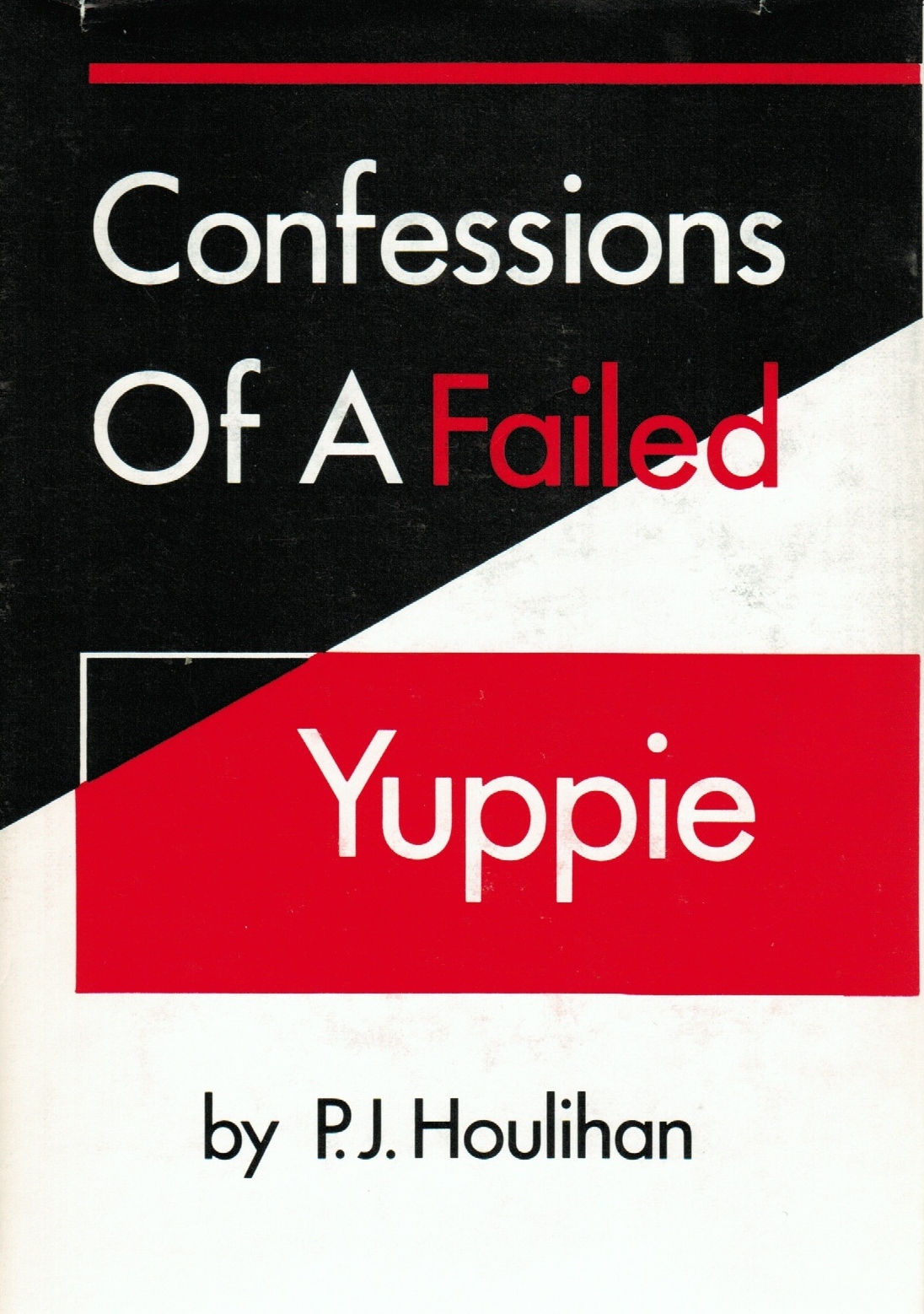
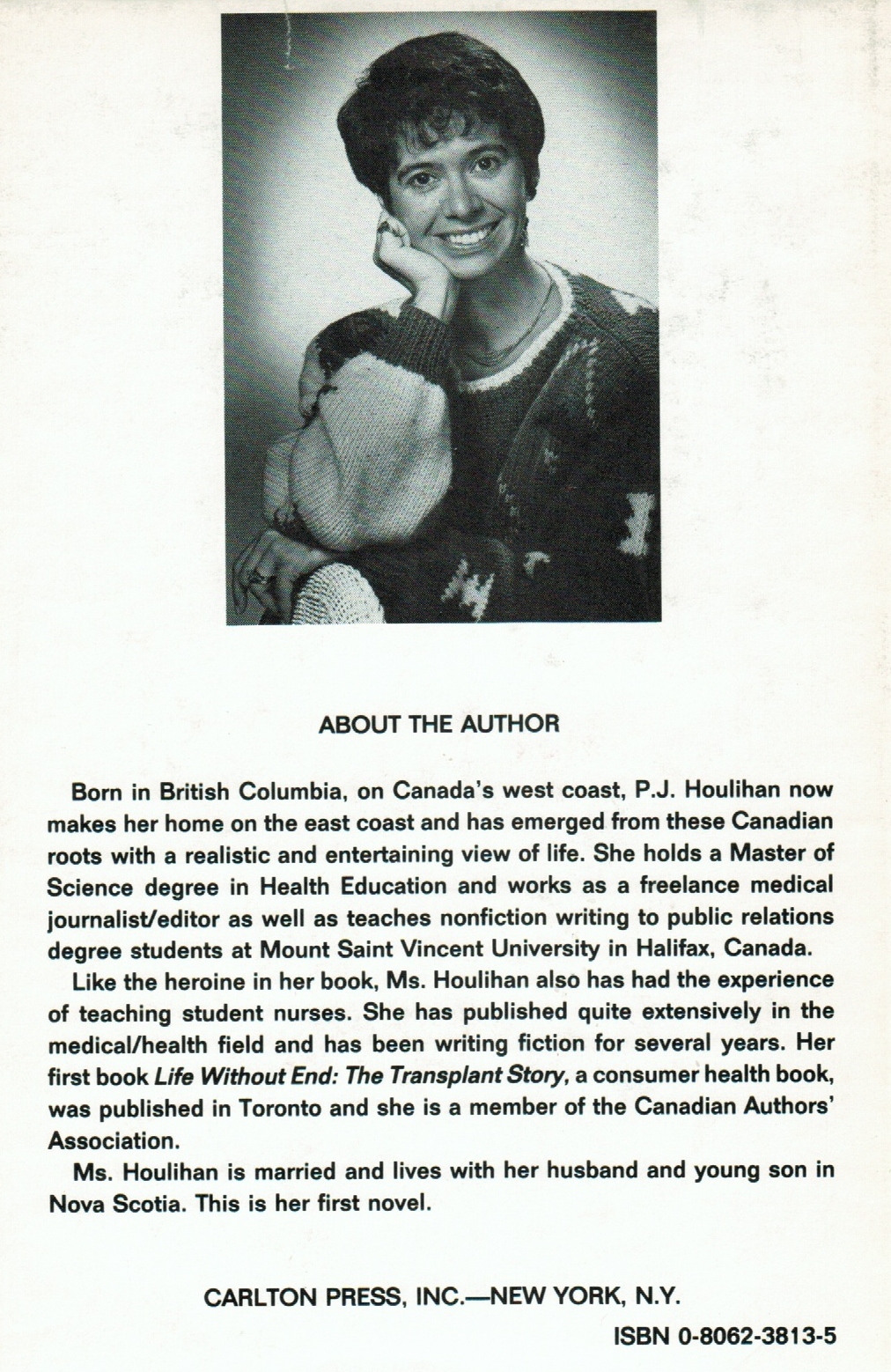
This is a question I often hear from friends, relatives and colleagues alike. They know that I’ve written a dozen or so books – among other things – but I don’t really think they get me as a writer. I’m a hybrid writer. Or at least that’s the word I used to use. Maybe I’m just a promiscuous writer. You see, I write both fiction and non-fiction, and I publish mostly through traditional publishers (which are…?) and independently (whatever does that mean…?).
So, what am I writing right now? I have a fiction (sort of lifestyle satire again, but then what does that mean?) piece on the go, but the book I’m supposed to be writing is on writing and publishing in the twenty-first century using both research and my experiences. This latter piece has me thinking about definitions of the confusing array of terms in the new world of publishing. Since I’m a strong believer that we need a common understanding of terminology before we can discuss any issue, I thought I’d develop a glossary of terms – and I thought I’d share it with you as a work-in-progress.
So, herewith (great word, isn’t it?) I offer you the working definitions of publishing-related terms that I’ll be using in my upcoming book.
Author
An author is someone who has published a book, article, paper, poem, report etc. The act of publication is what differentiates between someone who is engaged in the act of writing and an actual author. Method of publication does not matter.
Traditional Publisher
A so-called traditional book publisher is an organization that takes the financial responsibility for all aspects of publication including acquisition, editing, publishing, distributing and promoting. Consequently, this publisher garners a hugely larger percentage of the book receipts than does the author of said piece. Traditional publishers often make their publishing decisions from an array of solicited and unsolicited manuscripts based on their prediction about marketability. Judging from the number of traditionally acquired flops, they are not very good at making these decisions (You probably know that J. K. Rowling’s original Harry Potter manuscript was rejected at least a dozen times. See “30 famous authors whose works were rejected (repeatedly, and sometimes rudely by publishers”).
Trade Publisher
A trade publisher is, in contrast to a scholarly press, for example, a traditional publisher that produces books for what is referred to as a ‘trade audience.’ A trade audience is you and me in our everyday lives. A trade publisher might specialize in fiction of a certain type or non-fiction – but only non-fiction that has a wide appeal.
Literary Publisher
This is a term that I struggle with. A self-proclaimed literary publisher will be able to tell you, nose in the air, precisely what they do. However, looking in from the outside, it is not quite so clear. So, for my purposes, I am defining a literary publisher as a traditional publisher, usually of the independent variety (see below) who refuses to wear the title of trade publisher, believing that his or her works are a cut above in artistic or literary merit.
Vanity Publishing
Vanity publishing is when an author pays an organization a large sum of money up front for the following services: editing (sometimes), formatting (usually), cover design (if you’re lucky), printing and binding (always), distribution (only if you count filling the author’s personal orders) and marketing (not on your life). Of course, it is self-publishing. The term may have been used as early as the 1940’s, but self-proclaimed Vanity Publishing expert Jonathan Clifford seems to think he coined it in 1959.[1] The term is never used in a positive way, just as the word itself would suggest. As I discussed in a previous post where I admitted to vanity publishing one of my earliest books, “Presumably it was vain for an author to pay to have his or her book published. I’ve never been sure why it isn’t ‘vanity recording’ when a musician pays to have a CD recorded and subsequently distributed…” The term is often used when making snide remarks about the inferiority of self-published work. Note: Vanity Publishers always publish(ed) works under their own imprint.
Self-Publishing
Self-publishing differentiates itself from vanity publishing in that the term vanity has been dropped. That’s really all there is to it. Make no mistake about it: self-publishing is vanity publishing without the moniker. The twenty-first century has provided self-publishers with a digital world wherein the possibilities are almost endless. Self-published books can be as bad as most publishing snobs always thought vanity-published books to be, or, equally, may be as good as any book out there. Self- publishing is differentiated from traditional publishing in that the author takes complete financial responsibility for the editing, publishing, distribution and marketing aspects of authorship and reaps the lion’s share of the benefits. It need not have the stench of “vanity” about it. But it might. Note: Self-publishing need not be done under the imprint of another entity such as a publisher.
Subsidy Publishing
Subsidy publishing is characterized by a financial subsidy that is provided to an author to partially cover the costs of publishing. The subsequent publishing is usually done through a traditional publisher. Some people suggest that subsidy publishing is the same as vanity or self-publishing. However, that ignores the situations where subsidies are offered by non-profit or governmental organization to support the publication of the work of academics in a scholarly publishing world where there is no money to be made, but costs to be covered. Thus, I think it needs its own category.
Independent Publisher
This is a tricky one because there is a difference between being an independent publisher and the act of publishing independently (see below). For my purposes, an independent publisher is one that uses a traditional publishing model of acquiring work from an author and shouldering the burden of the financial responsibilities while at the same time maintaining independence from the big, corporate publishing houses.
Supported Self-Publishing
Supported self-publishing is a business model where a publisher provides services to a self-publishing author at a cost. Packages are offered and services can be purchased a la carte depending on the size of the company. There are large, corporate ones who try to sell a variety of expensive services (they make their money from selling services to authors, rather than on selling books. In fact, this business model does not even require them to sell books – their profit streams accrue from selling unsuspecting authors services, that after the editing is paid for, they don’t actually need). A whole cottage industry of services to self-publishing authors has spring up – for better or for worse.
Publishing Independently (also known as Self-Publishing)
When an author decides to forego the submission-rejection-submission-rejection merry-go-round of the traditional publishing world, he or she steps into the process of publishing independently. The author takes full financial responsibility and can choose from a variety of types and sizes of self-publishing and supported self-publishing platforms. The possibilities are endless: from companies who will simply print your book n demand (e.g. Lulu or Createspace), or distribute it electronically (e.g. Smashwords), offering only if you want it other services, to large behemoths like iUniverse who sell a wide variety of expensive packages and individual services and will continue to market to you even after you’ve said ‘no’ if you publish with them.
Indie Author
This is a widely used term among ‘indie authors’ themselves and for my purposes refers to anyone who chooses to publish without benefit of a traditional publisher. It is neither a positive term, nor is it a negative term – it is simply a term. It does not refer to an author who publishes through an independent publisher as I have defined it.
E-Publishing
E-publishing is digital electronic publishing where both the process and the product are digital. Traditional publishers, independent traditional publishers, self-publishers etc. can all utilize the concept of publishing for electronic distribution. When e-publishing first began, it was often a route that was taken after a book was published in hard copy. Today, more and more books (and journals and magazines etc.) are available only electronically.
Cooperative Publishing
Cooperative publishing is a publishing process independent of the traditional model where authors form a cooperative in which each one contributes financially and in writing-editing capacities to publishing works by each member of the cooperative. As I said in a previous post on cooperative publishing:
“Some people who have written about cooperative publishing consider it to be a publishing model that represents the middle ground between traditional and print-on-demand publishing. Although this might represent cooperation between an author (who pays) and a “publisher” who is contracted by the author, it still says self-publishing to me. The model of cooperative publishing I’m suggesting here is based on a business co-op model where, as the CCA says, the business (in this case the publisher) is owned by the members who use its services. In the case of a publishing co-op that I’m suggesting is worth exploring, the owners both use the services and are the “employees.”
In terms of financial compensation, the members of the co-op all take the same percentage of the royalties from any of the publications.
Hybrid Publishing
I think that it’s safe to say that there is much confusion between the terms hybrid publishing and hybrid author. Unless we can make a clear differentiation, then we can’t communicate about it as I mentioned at the outset of this glossary. So, I’m going to go with a clear demarcation between the two. Hybrid publishing is a situation wherein a publisher has a model that has aspects of both self-publishing and traditional publishing where everyone (from editors to marketers) gets a percentage of the royalties but that the author is not asked to pay for publishing costs. David Vinjuarmi, who often writes about publishing, did a piece in Forbes on hybrid publishing that I think covers many of the bases. For his piece see: “How Hybrid Publishers Innovate To Succeed.
Hybrid Author
A hybrid author is one who has published books and/or other pieces through both the traditional publishing model and via a self-publishing route.
That’s me. I’m a hybrid author. However, I’m also a promiscuous one: an author who publishes in a number of genres.
Let me know if you think the glossary is helpful – and if you’d like to see other concepts added. P.
[1] Neil Nixon. 2011. How to get a break as a writer: Making money from words and ideas. Troubador Publishing (U.K.) . p. 311. See also the archived web site Vanity Publishing http://www.vanitypublishing.info/.
 Patricia J. Parsons