A setting is where a story happens. But what if it can be more than that? A place that becomes a character is something else entirely.
It has a personality. It exerts influence by shaping the people who inhabit it. It shapes what they take for granted and often becomes something they can never quite escape, even if they leave physically. It holds secrets, preserves memories, and often complicates the lives of people who call it home or just come from away and stay only a short time. But unlike a character a writer creates in a story, a place arrives with its own history.
As writers, we describe a coastline, a city street or a small town. We establish the weather, sketch the architecture and provide the geographical coordinates. But none of that necessarily brings a place to life. A place becomes a character only when it matters to the story.
Think of the landscapes in the fiction we remember. They are rarely interchangeable. If you removed the Yorkshire moors from Wuthering Heights, the Mississippi River from The Adventures of Huckleberry Finn, or, my favourite, Manderley from Rebecca, you would change more than the scenery. The story’s emotional and moral universe would change dramatically.
Place undoubtedly influences behaviour. It establishes boundaries, creates opportunities and imposes limitations. It even shapes local humour and social conventions, becoming central to the stories people tell about themselves.
But through whose eyes does the story of “place” become true? An outsider may see an extraordinary landscape, and yet a lifelong resident might see it as the site of a childhood humiliation, a family feud or a harrowing drive to the nearest hospital. A tourist sees the picturesque bits. A local sees a leaking roof. Both are telling the truth, but neither possesses the whole truth. This tension is fertile ground for writers.
As a writer, I’ve noticed the challenge is resisting the urge to turn a place—my story’s setting—into a travel brochure. This challenge can be exceptionally charged when the setting has so much to offer to travellers. The most interesting settings, though, are not necessarily the most beautiful.
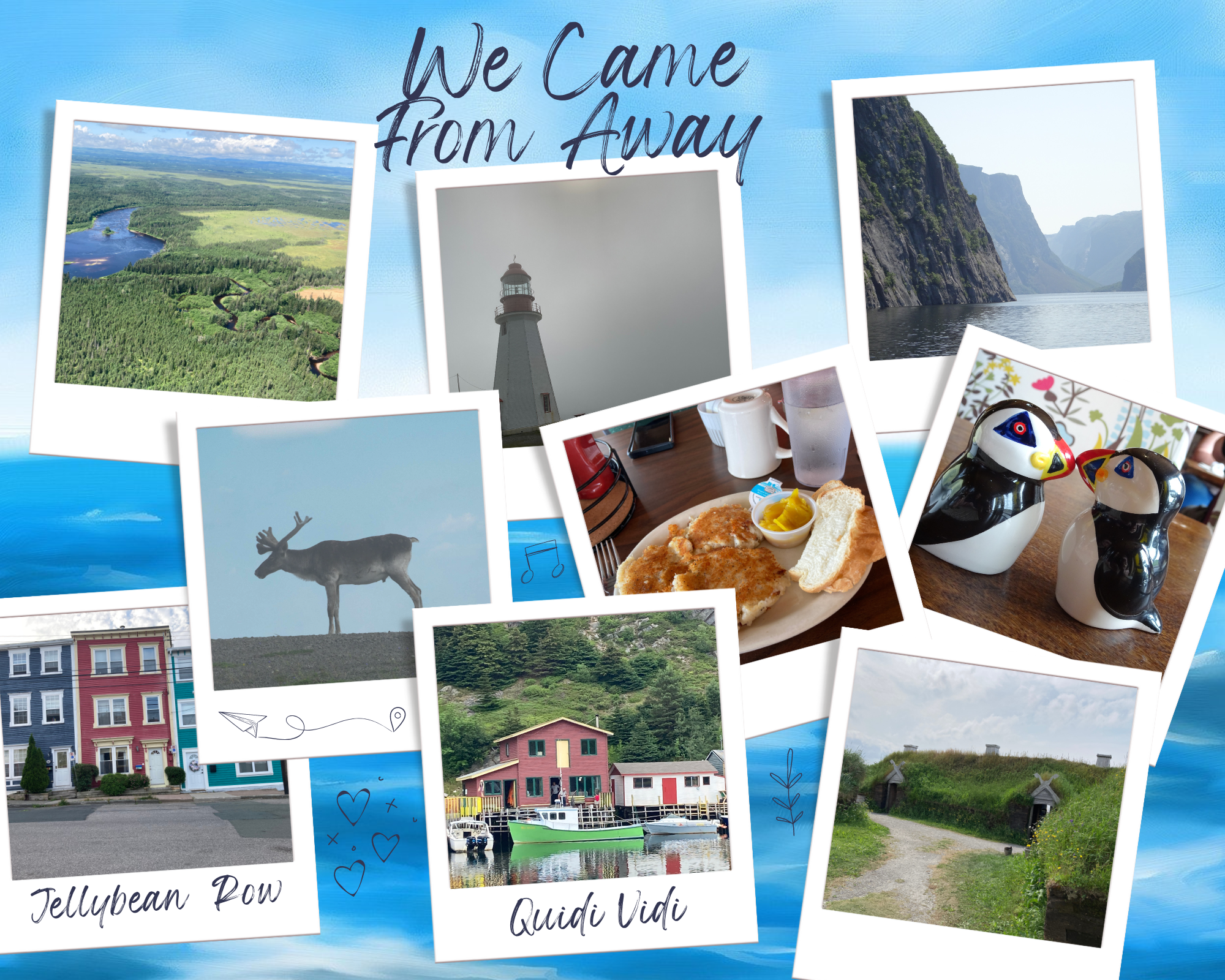
I thought about this while writing We Came From Away, my book, a finalist for the 2025 Leacock Medal for Literary Humour. Newfoundland is more than a geographical backdrop. Its character, culture and distinctive sense of humour are inseparable from the story’s world. The place shapes not only what happens, but how people understand it and talk about it afterward.
Every place has its own vocabulary, rhythms and silences. It has things people discuss freely and things they know better than to mention. It has myths about itself, some deserved, and others maintained largely out of habit. Rather than decorative details, they’re part of a story’s social architecture.
Perhaps the real test is this: when readers finish a book, do they remember only what happened to the characters, or do they feel they have been somewhere?
When a place becomes a character, readers don’t simply visit. They form a relationship. They may recognize it, miss it, argue with it or want to return. They may even discover that a place they thought they knew looks different through someone else’s eyes.