Posted in Blog tours, Book promotion, book tours, Fame

Book promotion…and the fun of an author tour

author tourWhen I think back over the years through all of the books that I’ve published – of different genres – it occurs to me that I’ve learned a lot about book promotion.  There are lots of things that authors themselves can and should (and need to) do to promote their books, but I’m here to tell you that since that first book of mine was published over 20 years ago, everything has changed.  With the advent of social media and online conversations, all bets are off and the tried and true methods for book promotion will never be the same.

That said, at the time when my first book was published, I had a romantic notion of the author tour.  And when my publisher told me that there would, indeed, be a tour, I was delighted – my 15 minutes of fame if Andy Warhol was right.  So, off I went to points west (since I live on the east coast everything is west) to be wined and dined and toured.  Okay, there was actually no wining and dining, but there were publicists who picked me up hotels and took me to media interviews.

I talked to print journalists who took photos and wrote bits and pieces; I did live television interviews; I did remote television interviews (where you talk into a camera lens as if you were really talking to the interviewer all the while with an earpiece that threatens to fall out); I did radio shows.  And, I might mention, I did all of this while increasingly pregnant.

Finding the appropriate and TV-friendly maternity wardrobe was something of a challenge I have to say.  Remember, if you’ve been reading my blog you realize that this backstory is about my first book which was published over 20 years ago – so we’re talking about the late 1980’s.  When it comes to fashion, need I say more?

I flew to Vancouver first and was immediately whisked to two television interviews.
life without end
My First Book

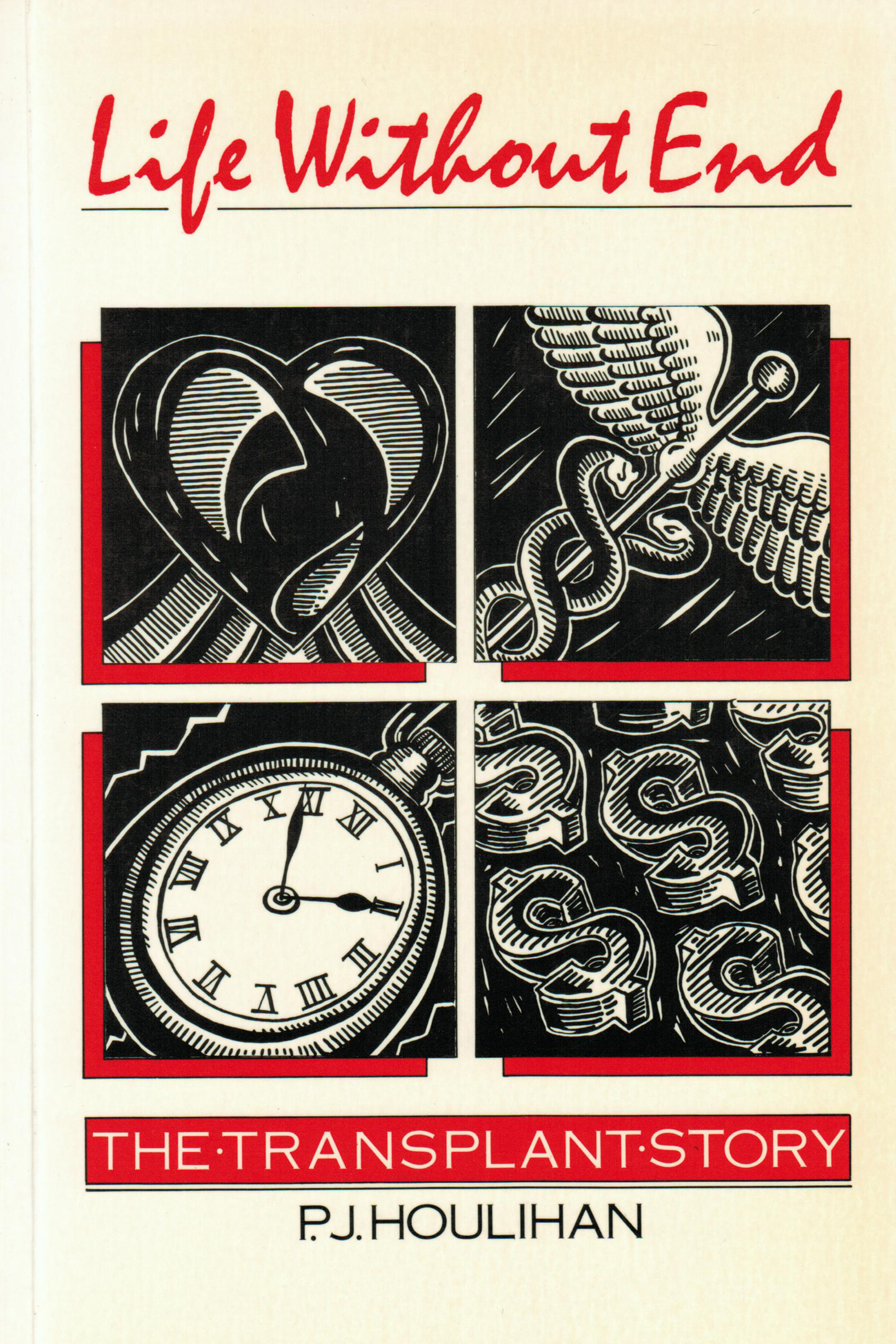
You may recall that the book was about organ transplantation and was actually a bit controversial since I didn’t just worship at the feet of the transplant surgeons whose God-like presence saved lives.  The book asked questions about the ethics of some of the decisions that were made and how they were made.  It made for great television to pit this lone health writer with real experience in the business against the powerful medical establishment.  (I’ll tell you a bit more about how even unwelcome controversy can promote a book in a later blog post.)

Then I was off to Toronto for more television, radio and print interviews.  Notice how the smaller media markets were skipped: all of this to save money on the author tour for which my publisher (and the Canadian government grants) paid.

But the question we need to ask today is this: was it useful to do this (fun  notwithstanding)?  I’m not sure.  There’s little doubt that publicity for this kind of non-fiction book can be generated this way, but this does not necessarily translate into sales, and the publicity machine has changed dramatically since that time.  All the rules and vehicles have been transformed.

In a piece written last year by Carolyn Kellogg for the LA Times book blog, she says this: “As the business of publishing changes, book tours increasingly look like bad risks.” She goes on to say that people these days are less inclined to be drawn to books via the “hype machine” rather they rely on recommendations from others, and we all know where these increasingly come from: our “friends” on social networking sites and searches we do for ourselves online.  This way, our book choices come from
custom-made recommendations for us.  And you know that in these days of social media – it really is all about “me.”  For better or for worse. The latest buzz on the author tour scene is what is referred to as the “blog tour.”  I’m currently researching
this for my new book due out in about six weeks.

An author can set up a blog tour through some blogger link-up sites or through what are now known as blog tour companies (who knew?).  A blog tour is simply a strategy whereby an author “visits” appropriate blogs (book blogs, blogs on the conten
of your book etc.) and either “guest blogs” or provides answers to questions posed by the blogger who owns the site and then this becomes a Q & A blog post for that blogger.

As one book publicity blog I like suggests: “A blog tour is simply one type of online publicity.”

I’ll let you know how the blog tour works out since it’s unlikely that there will be a real tour for this one!

FYI: Read about one author’s blog tour in the New York Times.
Posted in Book launches, Book promotion, Memoir

The “book launch”…what the heck?

APV book launch
A Book Launch

So…it seems that my approach to book proposals was on target.  That first publisher, way back when, actually liked the proposal and said she’d be interested in publishing.  But, here’s the catch: she needed to see the complete manuscript.  I had to admit that this seemed like a reasonable request since I had a very limited track record as a writer at that time.
So, I buckled down, got to work and completed the manuscript.  The good news for me was that this was the last time I had to do that.  For the next eight books, I was offered contracts based on the proposal only.  In the end, that first book was accepted and published.  Then, what was supposed to happen?

This week I’ve been thinking about that very question as I introduced a colleague at the launch of his new book last week.  The book is Media Mediocrity: Waging War Against Science.  I introduced the author Richard Zurawski then sat back and thought about what an author expects from a book launch.

When I held my first book in my hand all those years ago and looked at the cover, I had so many expectations.  I recall thinking that a book launch ought to “launch” the book into the marketplace. Sounds reasonable, doesn’t it?  But the real purpose of the book launch is this: to celebrate a singular accomplishment.

I’ve had a few book launches in my day.  My first book resulted in a reception at a hotel with numerous invited guests.  Oh, I forgot to mention – unless your name starts with “O” and you have no need for a last name, you will probably have to pay for that book launch yourself.  Yes, you’ll talk about your book, maybe even read from it if anyone wants to listen.  You’ll sign and sell a few books, but remember that it’s really a party.

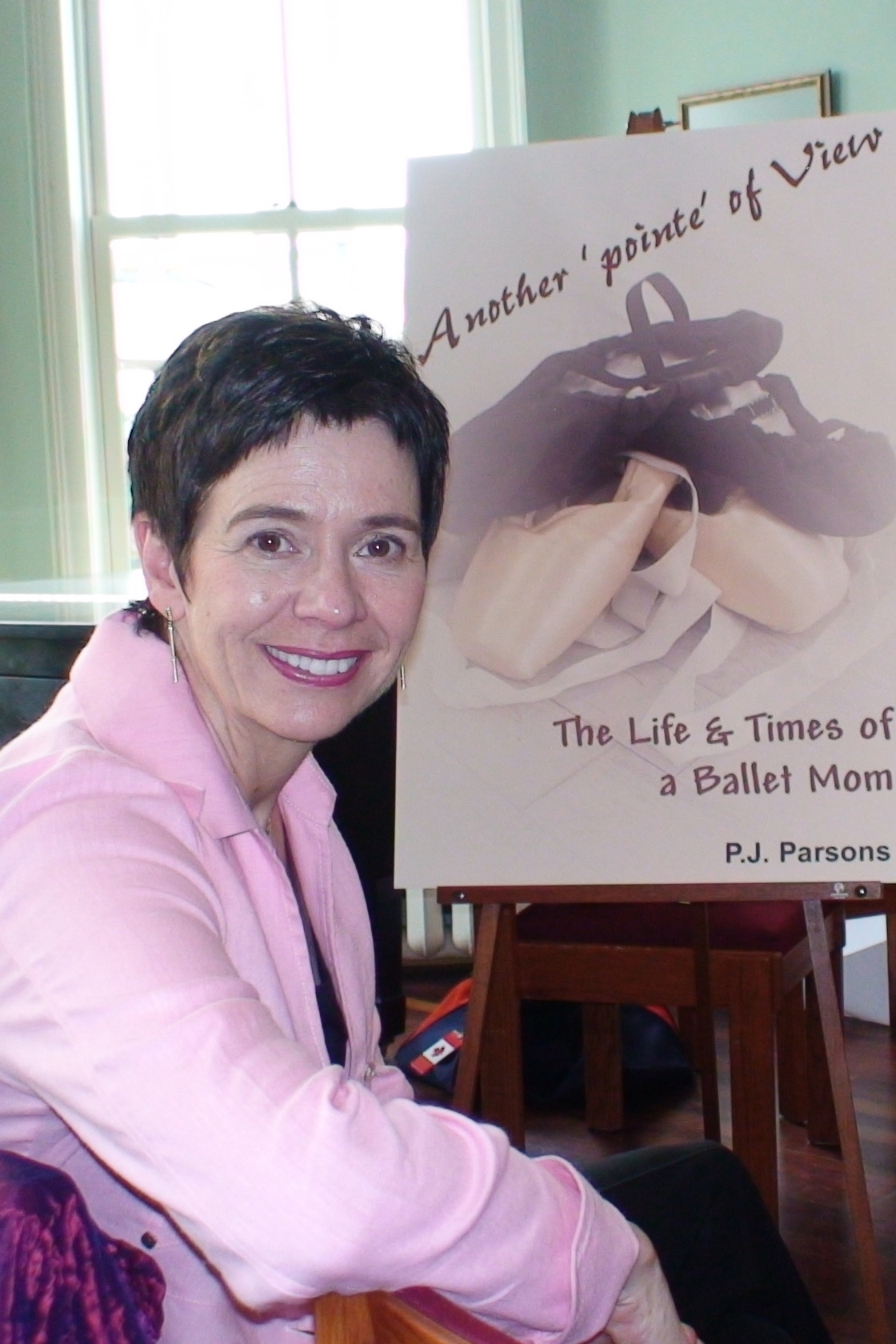
My favorite book launch happened two years ago when I launched my memoir Another Pointe of View: The Life and Times of a Ballet Mom (Dreamcatcher Publishing).  The most personal of all the books I’ve ever written (or am likely to in the future), the book tells the story of my journey on the periphery of the work of the elite ballet dancer.  The ballet dancer in my life happens to be my son who is now 22 years old and dancing in Europe with Les Ballets de Monte Carlo.

Book launch entertainment

I knew that I’d like to celebrate the book, so I had to find a way to interest people beyond my family and closest friends.  That’s when it struck me: if they won’t come to learn about a book (not a lot of people actually attend book launches as a part of their regular social calendar), I knew that they’d come if I invited my son to get on an airplane, bring along a colleague and dance for us at home – something that he had not done since his early training: he left to attend Canada’s National Ballet School at the age of eleven.

On that beautiful spring day, Mother’s Day to be exact (a book about mothering seemed a brilliant fit time-wise), Ian and his partner Nikki danced for us and they came in droves.

A successful book launch just takes a bit of creative planning – and a willingness to pay the bills.

Posted in Book proposals, Pitching books

Writing your first book proposal

The moment my first publisher said “Yes” she was interested in seeing more about my book with a view to possible publication was the moment I knew I’d have to learn to write a dynamite book proposal.  I’d done enough research by then to know that I’d need to have that “pitch” to send before anyone would agree to publish my first non-fiction book.  Now I needed to learn the elements of a great book proposal and be able to execute it – and fast – before she lost interest.

I’ve held tightly to a personal belief for many years: I believe that you can learn just about anything short of brain surgery from a well-crafted book.  So, I immediately rushed out and bought anything I could find on writing book proposals.  These days, all a would-be author has to do is visit one of the online mega-bookstores, search “How to write book proposals” and voila! Hundreds to choose from.  Back in the day…I had to go to a bookstore and see what was around.

But over the years, I’ve learned a thing or two about book proposals to the point where a couple of years ago, one of my publishers  (who said “Yes” again) told me I should teach other writers to write proposals – mine were so well crafted.  I was flattered, of course, so here are my personal pointers that I have honed since that first proposal.

Book proposals are essential to any non-fiction (and sometimes fiction) writers who want to be published by “traditional” publishers.  What I mean by traditional publishers is publishers who themselves take on the financial risks associated with publishing your book (they edit, design, market etc).  In fact, they might even give you money upfront (an advance against royalties).  If you want to publish it yourself, then you don’t need a proposal – you’d be the only one who would read it!  Of course, we’ll talk about self-publishing versus other-publishing later on in this blog.  For now, we’re going the route of the traditional publisher which is the route I’ve been taking.  This route requires you to understand that you have to be able to sell your book three times:

  • First, you have to sell it to a publisher through an editor.  The editor might even become very excited about your book.  When this happens, he or she will then have to sell it to the marketing department (publishing is the only industry on the planet where the marketing department has so much sway over the products.  In other industries, marketers are given products and told to use all of their considerable marketing skills to find a way to create a market – but not so in publishing – don’t get me started!).  I was going to have to persuade this editor to whom I had spoken on the phone that she should take the next step with me.
  • Second, you have to sell the book to the book retailers.  Make no mistake, both you and your publisher will eventually have a role to play here.
  • Finally, you have to sell the book to your readers.

But, we are going to concentrate for a bit on the first time you have to sell a book because that’s what your proposal is for: to sell it to a publisher. That said, the other aspects of selling are important to the development of this book proposal.

I had an idea that I’d use my experience in the transplant and organ procurement business to write a book that would ask a lot of questions.  It wouldn’t necessarily go so far as to answer them – since many of them were up until then unasked.  I wanted to make people think about the way organ transplantation was approached. So, I had to ask myself a few important questions:

  1. What was the real purpose of this book?  What did I want to accomplish?
  2. How would I approach the topic?  Did I have a theme?
  3. How would I organize the book?  Would it have sections? Chapters? Stories?
  4. What kind of voice & style would I use? Would I use first person?  Third?  What reading level would I use?
  5. Why was I the best person to write this book?  Would I have any credibility?
  6. What other books would be competitors?
  7. Who would actually read this book when it got to the book stores?
  8. How could this kind of a book be promoted to readers?

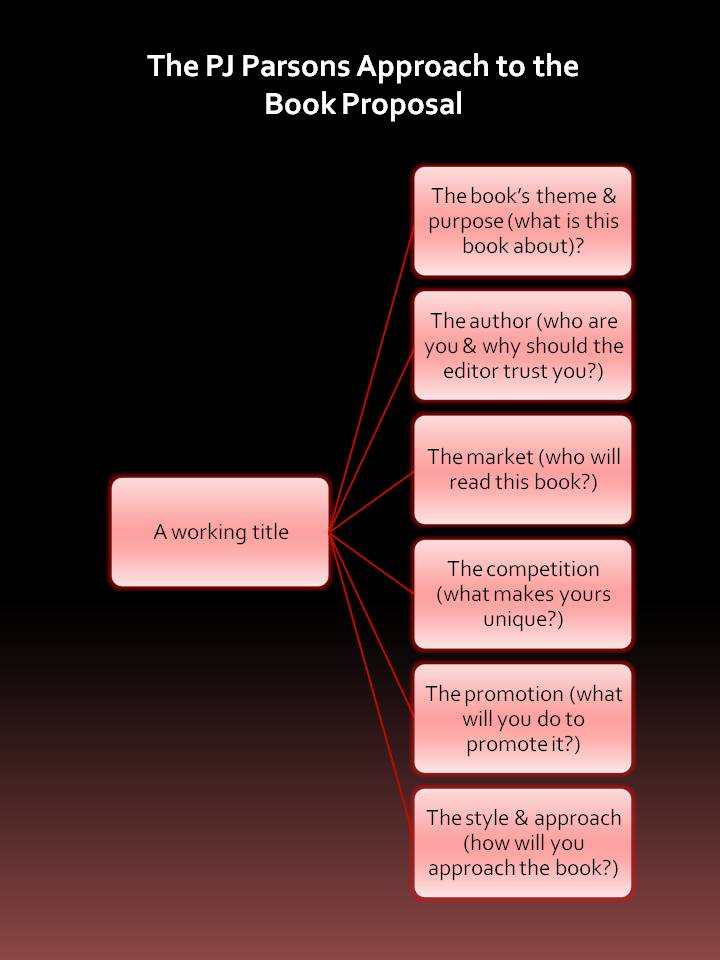
If I could answer those questions, I could write a detailed proposal whose purpose would be to persuade the editor (the acquisitions editor to be precise) that this was a terrific book that I could write well and that readers would buy.  Here’s what my proposal looked like:

PJP's book proposal elements

Then I wrote a description of every chapter I planned.  It was ready to go to the publisher.  Would she buy it based on the proposal?  Would she ask to see the completed manuscript on spec?  I had no idea.  I just knew that I’d have to do a lot of work before I had an answer.