You’ve probably heard it said more than once: there’s a book in everyone. But for most people, that’s where it stays: inside them. (And make no mistake, from some readers’ perspectives, that’s where many of them ought to stay!). Sometimes, though, for some of us, it just has to come out.
There are those among us – and you may be one – who just have to get that book out and onto paper, or at least into a computer. Some of us just need to write. We need to write every day and we need to write about all kinds of things that we see, hear about, read about, question and create in our mind’s eye. Sooner or later, we just need to feel that finished book in our hands. At least that’s the way it was for me. So just how did that happen the first time? How did I get to the point where a publisher said, “Yes”?
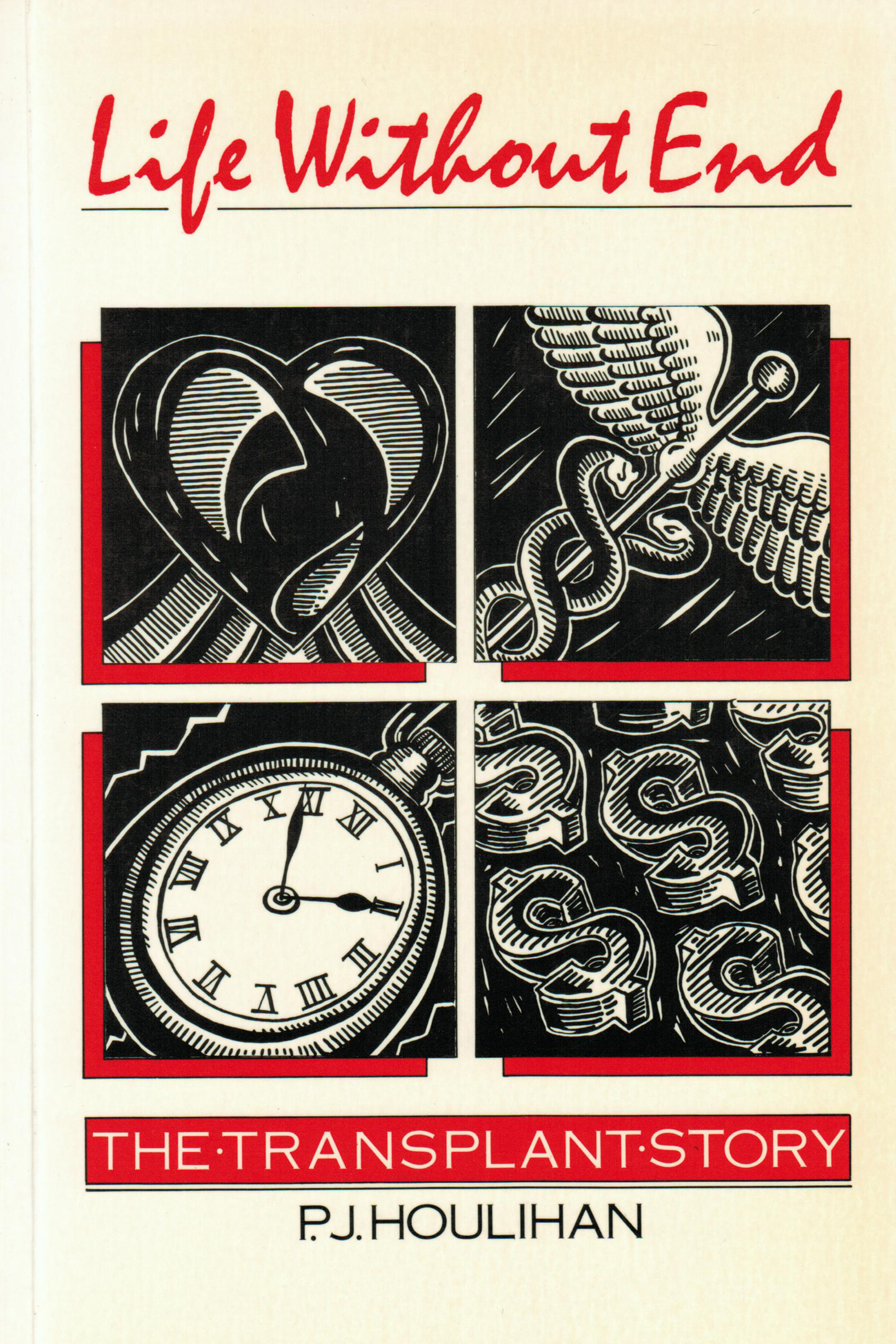
The story of my first book started way back in my first career. I was working as an “organ procurement officer” for a large organ transplant program. Aside from the snickering often engendered by the term “organ procurement” proudly displayed on my business card (I was in my mid-twenties at the time), it was a job fraught with responsibilities – and ethical landmines.
My duties fell into two general areas: I was responsible for the public communication programming that persuaded people to be organ donors, and taught health professionals to ask the right question at the right time; and I was responsible for coordinating organ donation which is the actual process by which organs are donated from brain-dead people into desperate souls awaiting a new lease on life. There was no doubt in my mind that there was a story to be told. So I kept notes – an activity highly recommended for any would-be author. Then I started to research how one goes about finding an appropriate publisher.
It was clearly very important to be sure that the planned book was not shopped to publishers who had no interest in my kind of book. I could avoid all those who specialized in fiction, children’s literature, fantasy and science fiction and so on. I was looking for a publisher who took on health-related non- fiction trade books. If I tried to sell this idea to the wrong publisher, this would mark me as a rank amateur.
After I figured out what publishers might be in the mix, I learned to write a query letter (more about those in a later post), I thought about what I wanted to accomplish with the book – its purpose. Then I wrote down a paragraph describing this. This was my elevator pitch and it would be my calling card. You have to have an answer when someone inevitably asks you, “What’s your book about?”
Then I did what every book/blog/seminar aimed as aspiring writers tells you not to do: I called a publisher on the telephone.
I happened to be in Toronto. One of the publishers on the list happened to be in Toronto. I happened to be stuck in the airport for a couple of idle hours making a connection. There happened to be a bank of telephones right in front of me in the departure lounge (that was before we were all chained to our cell phones).
This scene happened 20 years ago and I can still recreate the feeling that I had as I walked over to the phone, telephone number on a small piece of paper in my hand, and punched in the number. I can still feel my heartbeat surging as I listened to the sound of the phone ringing on the other end of the line. I asked to speak with the editor whom I had identified (having a name is important, I had been told). When she picked up, I gave her my short speech without stopping, and then ended with the question, “Would you be interested in seeing a full proposal with a view to publishing?” She said, “Yes.” Just like that.
That’s when the work started. I had to learn how to prepare a book proposal.
So…what’s your first book going to be about?

 Patricia J. Parsons