
Lots of places define self-publishing as publishing projects that authors pay for themselves. I’m going to dispute that definition and see if we can’t come up with a better understanding of the varieties of models available today. My own backstory in publishing obviously informs my personal perspective – but stay with me and see if you don’t agree.
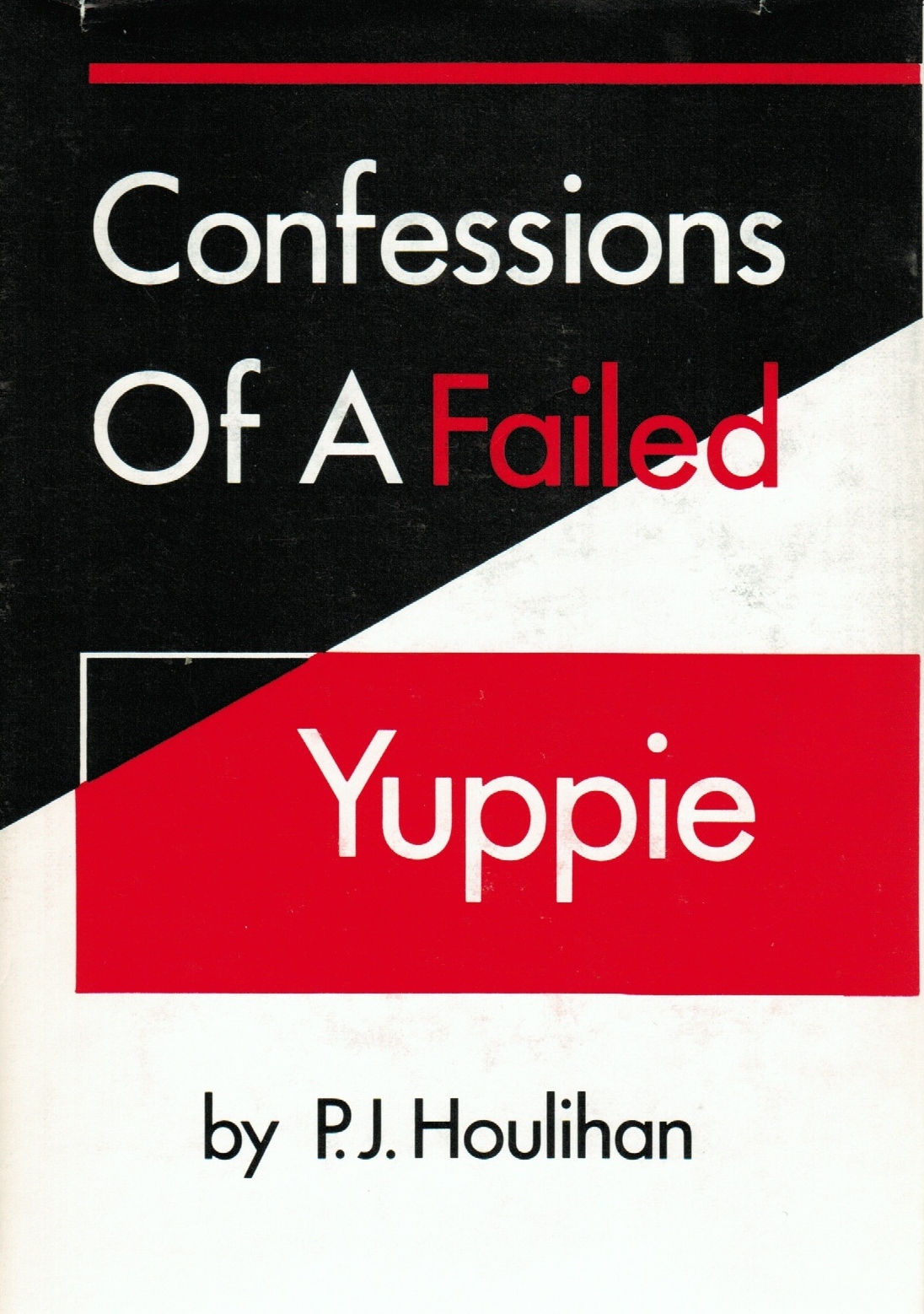
My foray into vanity publishing, a model of self-publishing whose very name is a pejorative, gave me a first glance at what it means to be completely in charge of your publishing venture, but more than that, it taught me what it means to be the only one who takes risks in the process – financial or otherwise.
What exactly is self-publishing?
Let’s consider some of the definitions I’ve found online:
Wikipedia (arguably an authority on online self-publishing) defines self-publishing as “the publication of any book or other media by the author of the work without involvement of an established third-party publisher. The author is responsible and in control of the entire process…”[1] Clearly the basis of this definition sits firmly on the absence of an established third-party publisher which naturally begs the question of what precisely is an established third-party publisher? Does this mean it is not self-published if your friend says, “I’ll publish your book if you pay, and you can have complete control”? Third-party, perhaps but established? So, then what does it mean to be “established”? Does that mean if you or I open a new publishing house we are a party to self-publishing because we haven’t been around long? Or are we all right if we’re incorporated? So many questions, so much vagueness.
Writing in Publishing Perspectives, Edward Nawotka moans about self-publishing being too, well, selfish. He suggests that so-called self-publishers can only call themselves “publishers” if they have actually worked to publish someone else’s work. He says…
…It’s my personal belief that a DIYer or self-publisher should not call themselves a “publisher” until they take risk and responsibility for publishing another person’s work, which in turn is taking responsibility for another author’s wellbeing. Yes, you can argue the semantics of it as much as you like, but until that point a self-publisher is merely a “printer” (digital or conventional, sophisticated or not) adopting an honorific that they don’t deserve.[2]
From my perspective, I think he’s nailed it in one important respect. Unless you as an author take full responsibility for your work, and act as a publisher rather than getting an online so-called self-publishing business to do it for you, you are not really publishing – you are simply printing & distributing your work. There are important values in the traditional publishing business that I believe are important to keep in mind, and quality of the editing is an important one.
If you read last week’s discussion of vanity publishing, you’ll remember that I was taken aback on my first venture into DIY publishing that not a single syllable was edited in my book. If I had published it on Lulu (remember, though, it was back in the days before these online services) then of course there wouldn’t be anything edited: Lulu and others like it are not really self-publishing platforms; rather they are print-on-demand services.
Why, though, do people get so bent out of shape when this is the reality? You can print and distribute your own work, an approach for which you certainly take all the risk and responsibility. Is there something shameful in this? You can hire (and make no mistake about it, you are hiring) a new breed publisher like iUniverse or others, large and small like them, who will take over the publishing process and allow you to purchase some of the services of traditional publishers for a (substantial) fee. Some do have a kind of vetting process for entry into certain publishing streams (iUniverse has Editor’s Choice for which your work can be chosen if it has benefit of professional editing, and can then be elevated into their Rising Star program if it meets certain other quality criteria etc.), but in the end, anyone can use the services if he or she is willing to pay.
Why things have changed
The advent of print-on-demand and online retailing has changed the entire landscape of both traditional (whatever that is) publishing and the new approaches (whatever we come to define them to be). Perhaps even more important, the participatory nature of the online universe has permitted anyone with a computer and a connection to the internet to call him or herself a writer or author. The fact that you can read this blog today is a testimony to that. All I (or anyone else) has to do to be “published” online is to start a blog – and it doesn’t even cost anything. This is both the beauty and the curse of the online writing environment.
How I came to conclude all this
At the time, I happened to be running an outside consultancy and even had an employee or two from time to time. Biomedical Communications Incorporated, then, published the book. I personally did everything from layout to cover design to finding a distributor and negotiating a distribution contract. I also did promotion.
To tell you the truth, it was one of the most satisfying projects I’ve ever been involved in for a couple of reasons. I was able to see a project through from beginning to end, I had complete control, I took all the risks (financially and to my reputation) and I made all the money. I did, in fact, make back all the money I put into it and then some. It was delightful. Then one day I decided that the book needed a new edition – an update – and I was not in the same mind-set to do the whole thing over again. I had learned what I needed to learn so I shopped it to “traditional” publishers and sold it to Lawrence Erlbaum in New Jersey (which has since become part of Taylor and Francis), a large textbook publisher in the US. It is still in distribution today – although I will say that it probably needs a third edition at this stage!
So, does the fact that the book was eventually published through conventional channels make that book any better than it was originally? Perhaps in some people’s small minds, but the book is exactly the same as it was when I published it myself. They bought it “camera-ready”!
I then took a foray into print-on-demand publication (not really the same self-publishing model in my view) by having my book In the Shadow of the Raven printed and distributed by Lulu. That was an interesting experience, and points to the very real differences between true self-publishing and simply using current online printing capabilities of companies that sell services. I upload the manuscript; they put it into a pdf if I haven’t (but I need to format it); I purchase an ISBN & bar code from them; I use their wizard to create a cover; I write the cover copy; they print, distribute and pay me anything left after they take their money. Then, book promotion, trying to actually sell it, is entirely up to me –actually not that different a scenario than that of traditional publishers these days! They’ve already made their money by printing and putting my book on Amazon.
My book Grace Note was “published” by iUniverse whose editing and publishing services I bought. But Grace Note was evidently of a high enough quality that it was chosen for their Editor’s Choice program and eventually, after benefit of professional editing and copy-editing, became part of their Rising Star program for which I was granted free of charge some services that others have to pay for – and it was more widely distributed. So, why didn’t I even try to sell it to a “traditional” publisher? To tell you the truth, I’m sick of them.
Between two these books, I’ve been published by a number of “traditional” publishers including such trade publishers as Doubleday and academic publisher The University of Toronto Press, among others, and I’m sick to death of them.
I’m sick of their delays; sick of how influential their marketing departments are in the choice to publish or not publish regardless of the acquisition editor’s opinion of the merits of the book; very sick of the paltry percentage of profits that are given to the person who actually wrote the book; sick of losing control of the work. I was also peeved off at a literary agent who said this to me, “If I had a dollar for every bona fide non-fiction author who wanted to be a novelist, I’d be rich,” and then refused to represent me in the fiction realm.
Will I be published ever again through a “traditional” publisher? Probably yes – I have a manuscript at a publisher as we speak and it seems to be on the road to publication.
It would be very nice to find a new approach that encompasses the best of both tradition and the new approach, while at the same time acknowledging the writer as a more important part of the process. I’m thinking about the notion of cooperative publishing where a half a dozen or so of us writers begin to work together, editing and working on one another’s projects, and then publishing under a co-op imprint. I think I’ll think about that idea, and if you’re interested, drop me a line. We can share ideas.
When I get back from vacation I’ll write about that with your input. See you after a few weeks of sun and surf!
BTW, here’s a list of some famous authors who self-published. Might surprise you.
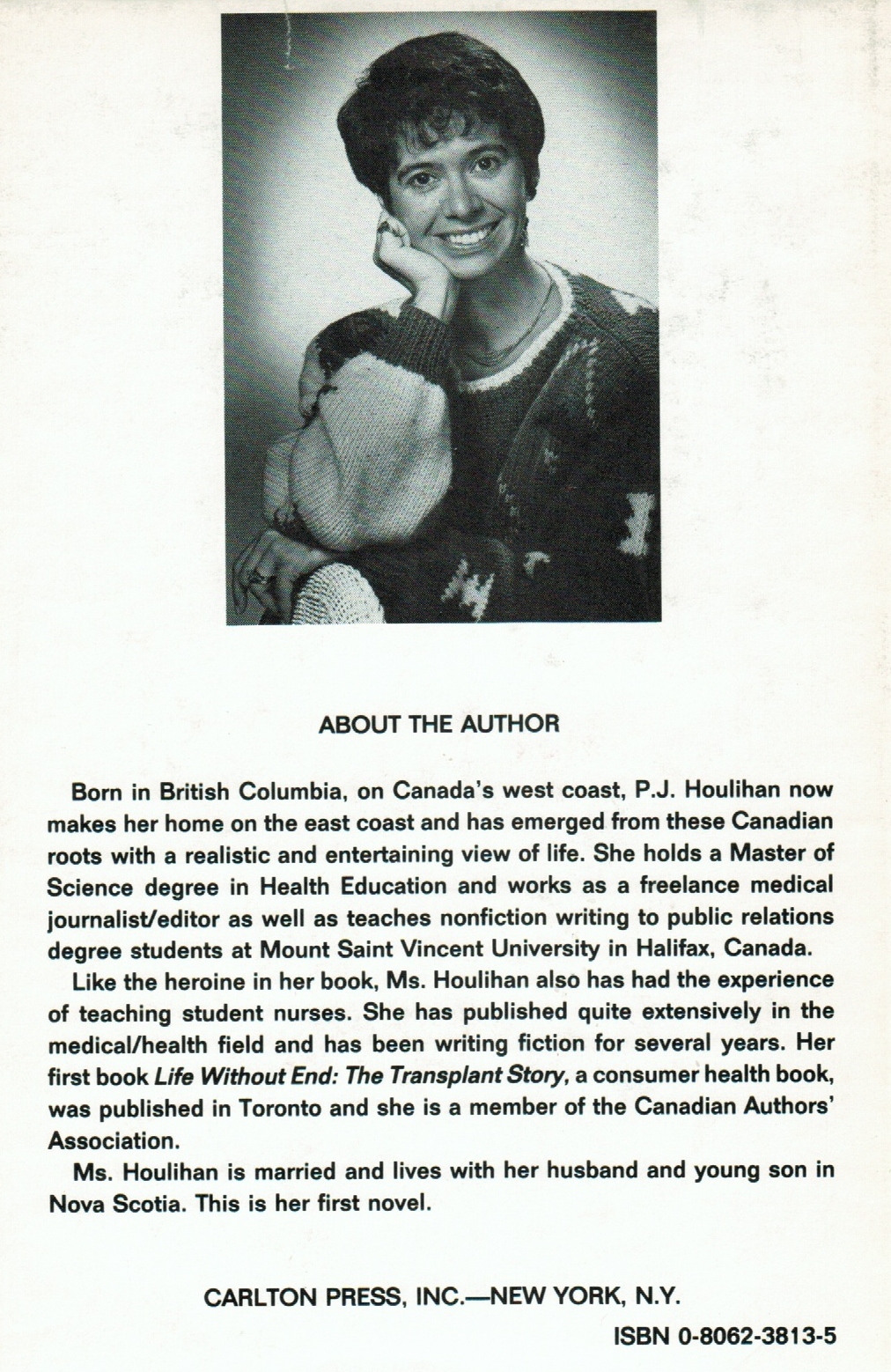
 Patricia J. Parsons