Let’s just get this out of the way: the world is overflowing with memoirs. Every bookstore, every online retailer, every garage sale is drowning in them. You can’t turn around without bumping into another “heartfelt” story about someone overcoming adversity or, heaven forbid, discovering themselves. Enough is enough. However…perhaps you do have a compelling story that you need to share with the world—not because you need to fix everyone else with a similar problem, and certainly not because you just need to vent—but because your story is entertaining, compelling and adds value to the vast sea of literature out there. Then, you should consider writing a memoir.
I had a fascinating slice of life in my past that seemed endlessly entertaining to everyone who knew about it. I was often peppered with questions. So, I decided to write a memoir about that interesting aspect of my life. In the process, I learned more than a thing or two. In this episode of WRITE. FIX. REPEAT. I’m sharing five tips that might help you with yours.
This morning I had a very odd experience. I had the privilege of peering in to the mind of a 16-year-old girl – or should I say a 16-year-old writer. And the most peculiar thing of all is that it was me.
A bit of backstory: when I was in high school (lo these many years ago) I wanted nothing more than to be a novelist – but I also had a very practical side and that practical side won out in the university program selection process. I had my very best marks in biology, chemistry and analytical trigonometry in my senior year, and you can guess what I studied in university. And to tell you the truth, that health science degree and the Master of Science have stood me in good stead in my career evolution from health communication, to health & business writer, to creative non-fiction writer, and now into fiction.
But in high school, my English marks weren’t far behind my math and science. In fact, when given the opportunity in my junior year to complete what was then referred to as a “distinction” project” I didn’t choose to do it in science, rather I chose English. To be more specific I chose the short story. This morning I took three magazine boxes off the highest shelf in my office to begin the laborious process of digitalizing all of my publications to rid myself of the glut of paper that threatens to overtake most writers from time to time. What do you suppose was the first document that I pulled out? Much to my surprise, it was my Grade 11 “distinction project.”
The framework for the project was aspects of the short story (very apropos since lately I’ve been thinking that I really ought to read some Alice Munro given that she won the Nobel prize for literature recently based on a career writing short stories – and I’ve never read a single sentence she’s written). The project, painstakingly typed on an old typewriter (with only one or two whited-out typos) was an analysis of the components of the short story. For each of the traditional components – character, setting, plot etc. – I had written a short story that supposedly showcasing each. One story’s character took center stage; in the next one setting was the most important part etc. But it was the themes of each of the stories that told the story of that 15-year-old writer.
The theme that came through again and again, regardless of the actual characters or plot of the story was this: Know who you are, and be true to yourself.
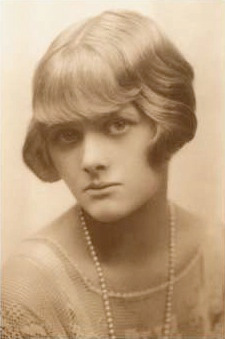
First-edition cover of Rebecca (Source: Wikipedia)
When I think back through my day-job career, and my writing by moonlight, I think that I have truly tried to do this – but I didn’t realize that it was so deeply embedded in my psyche. This was kind of a light bulb moment, because I just finished re-reading what I have long considered to be my very favorite novel: Rebecca by Daphne DuMaurier.
I first read the book when I was in high school, right around the time that I wrote those short stories. I had seen the various iterations of the movies based on it in the interim, but it was eye-opening for me to read this book so many decades later to try to see what it was that captivated me and to figure out if the book had, in fact, had any influence on my writing.
This time around, I found myself impatient with the narrator. A twenty-something woman of the 1930’s, the unnamed protagonist met and married a much older, and much more worldly man who took her back to England to his estate, Manderley. Haunted by the ghost of his first wife, the young woman concocts in her mind all manner of scenarios, most of which have absolutely no basis in reality – indeed, the reality is much more sinister. I kept wanting her to get over it, to move on, to ask the question to clear up the uncertainties. I don’t remember being so impatient with her at the time. So, I do think I’ve evolved as a woman. But what about as a writer?
Written in 1938, Rebecca was not an historical novel, the genre I found myself drawn to both as a reader and as a writer in the last few decades. However, I read it near the beginning of the 1970’s, so for me, as a young woman, it was historical indeed, and I remember always thinking about it that way. Daphne DuMaurier did not need to create the world of the 1930’s: she lived in it. But for me, the detail was now of historical significance, and I do believe that this influenced my choice of genres.
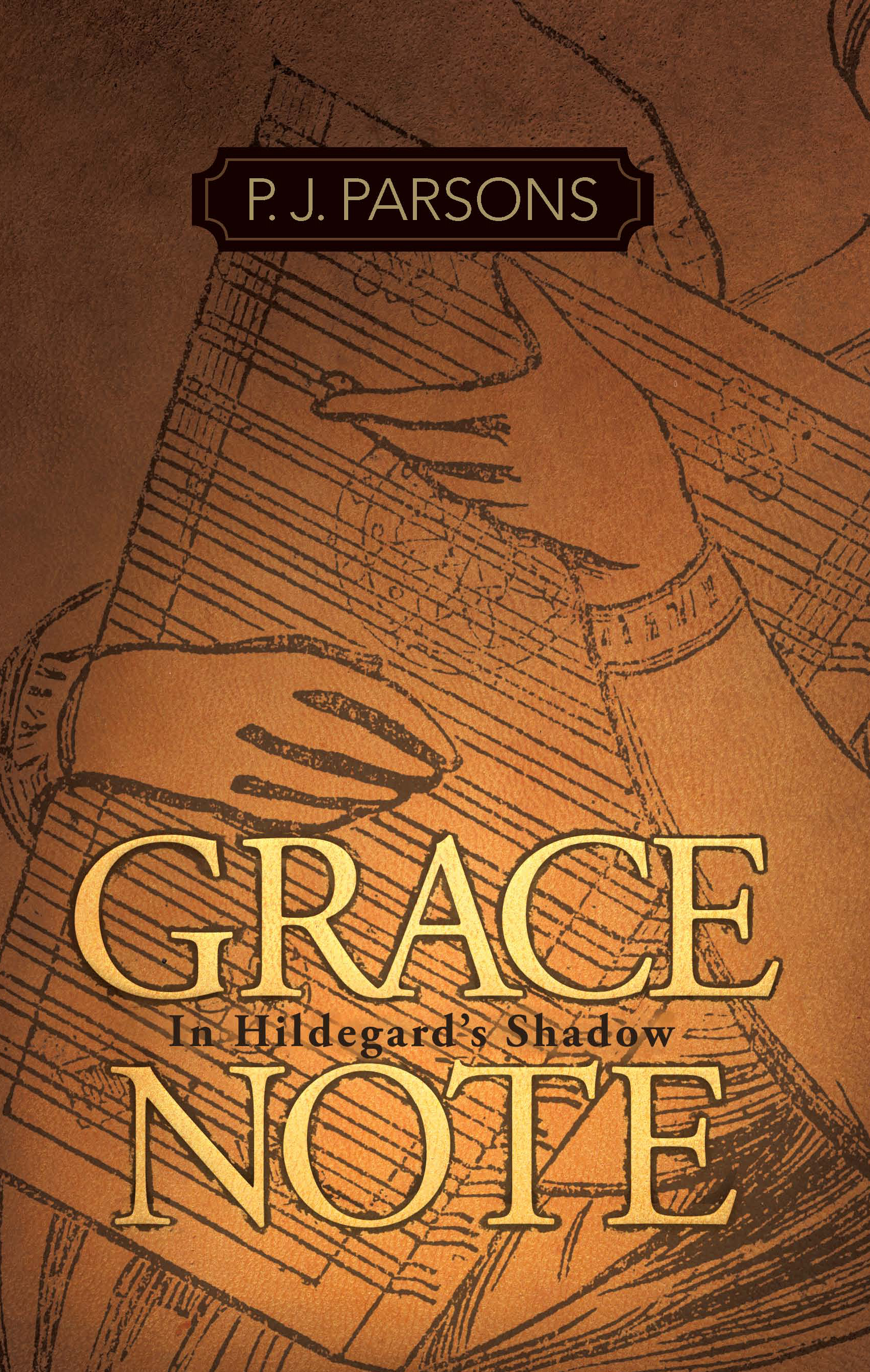
I enjoyed the book the second time around and hope that some of my own work will stand the test of time as did this ne. Perhaps in the future some young woman will pick up Grace Noteand think about the strength of the Lysanor, the heroine, and recognize that she, too, spent her life trying to be true to herself.
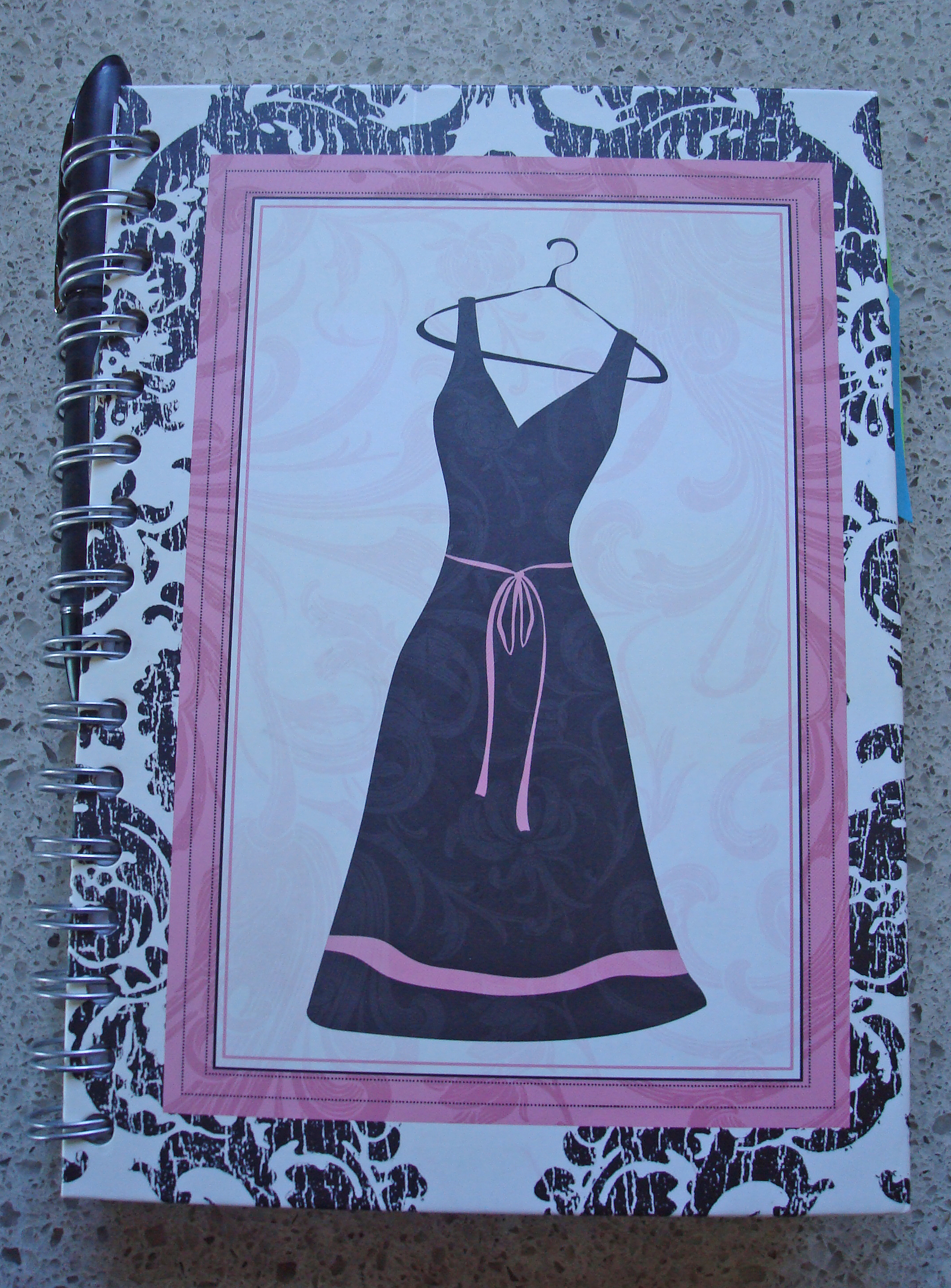
First, let me edit my original question to make it more specific to me and my own backstory. Do you keep journals? That “s” at the end of the word is key for me since I keep multiple journals. In fact, I’m a tad addicted to the notion of journals – and I have journals that are pen and paper ones, as well as journals that reside on my computer. As you can see, I’m not a purist either way.
Virginia Woolf is quoted as having said, “The habit of writing for my eye only is good practice,” and that sums up the first reason for keeping a journal: it gives you a chance to work on your writing without the self-consciousness of knowing it will be read by others. Although this might, at first glance, seem like that cathartic kind of journaling that has become the ubiquitous habit of the navel-gazers among us, it’s really more than that. This kind of journaling is really an exercise that lets you try out different turns of phrase, that lets your mind wander to ideas deeply buried in your sub-conscious (see the comments on last week’s discussion), and that is a safe place for writing that you have no intention of showing anyone else. And this kind of journaling can be semi-structured.
Writer and teacher Natalie Goldberg’s approach to journaling is one that I’ve come back to year after year. In her first writing book (which I highly recommend) Writing Down the Bones (originally published in 1986 and re-released in 2010), she suggests that you take pen to paper – something that she’s adamant about – and place your pen on the paper, never lifting it for your ten-minute writing practice each day. Her rule is this: keep your hand moving. Begin with the words “I remember…” or even “I don’t remember…” (She has other suggestions but you’ll have to read her book to get those ones); and never stop or lift the pen as it moves across the page. Every time you get stuck, write down “I remember…” again and keep going for the full ten minutes. It’s a very liberating process.
There are other reasons other than practice, though, for keeping journals. One of my primary reasons is so that I have places to keep ideas that come to me. These ideas can be thoughts, clippings, photos etc. But I also have general idea journals and a special journal for every project I’m working on. Okay, I do have lots of journals, but I’d wager a guess that I’m not the only one!
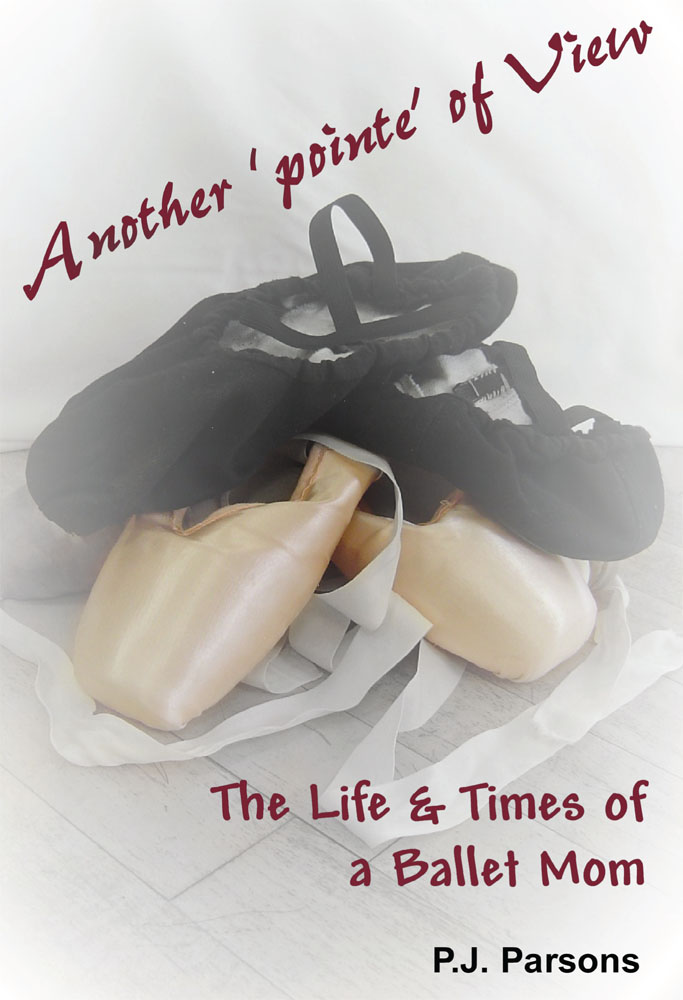
One of the journals I kept for many years was a bit like a diary – but it focused
on only one of the general kinds of experiences in my life. It chronicled my experience as a ballet mom. That journal became the basis for my memoirAnother Pointe of View: The Life and Times of a Ballet Mom. I was able to capture detailed memories that would have faded into themists of my mind, and that would have been altered by subsequent experiences. That journal was critical to my ability to write a story that might resonate with other mothers of gifted children.
Right now, I have so many journals on the go. I have two that hold notes on two separate book projects. I have one that is a kind of general catch-all for ideas. I have a travel journal (this is a new idea – it’s time to capture details of our travels). I have one that keeps notes about a book that my husband and I will write in our retirement to add to the four that we wrote some years ago. I have two new ones that have not found their purpose yet, but they will. And I have one for this blog. I also have two computer-based journals and one on my iPad.
The very best part of my journals, though, is when I look into one of them and what I read becomes part of something larger – something that I’ll write that
someone else might read and enjoy – or at least learn from.


 Patricia J. Parsons