I am a hybrid writer – in more ways than one. These days the term hybrid – when applied to writers – often refers to those who have published via the traditional publishing route as well as taken matters into their own hands and self-published. That’s a recent moniker. I’ve been a hybrid writer for years – I write across genres and have been doing this almost since the beginning. It has its ups and its downs.
I started my writing career as a medical writer. Skills honed in that genre took me into medical communication which morphed into communication in general – most of my distant past work has been writing about health and corporate communication.
But, I’m a writer. I am not a content creator. I am not a dabbler. To me this means that I can use my skills to write anything that takes my fancy. With a secret adolescent desire to be a novelist percolating in my adult brain, I decided to move into creative non-fiction and wrote a memoir. I then realized that my extensive experience in doing background research on a variety of subjects could be put to good use if I tried my hand at writing in a genre that I loved to read: historical fiction.
As it turns out, meticulous research skills, honed in the areas of non-fiction, have been enormously useful to me in moving into historical fiction. Story-telling is also a strength that many of us have – it’s a skill that is important both to non-fiction (creative or otherwise) as well as to fiction writers.
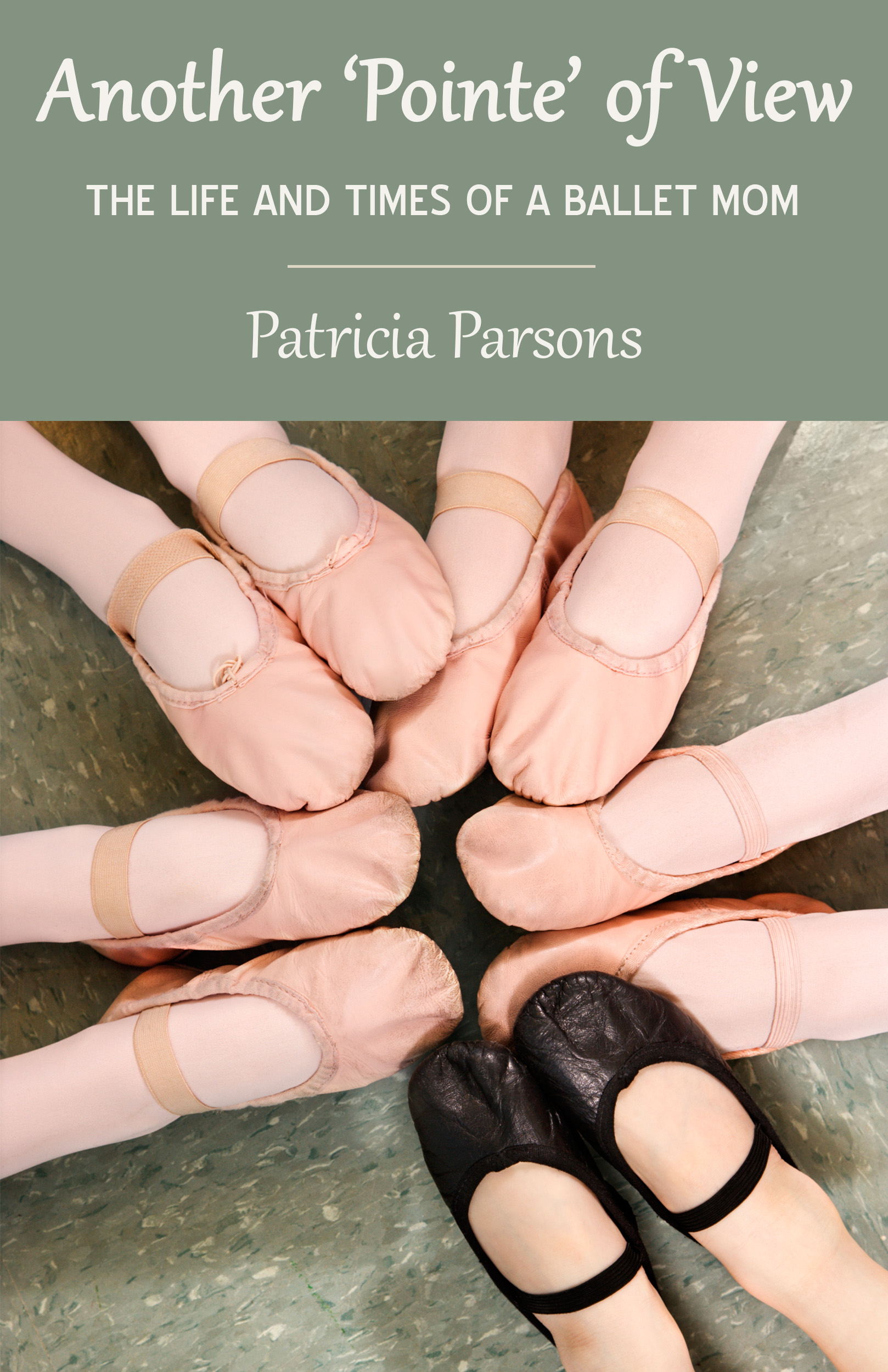 Another way I think about the concept of “writing across genres” is the notion that there are discrete categories of writing and to create a mash-up, to use the current parlance, is to create a cross-genre genre. Make sense?
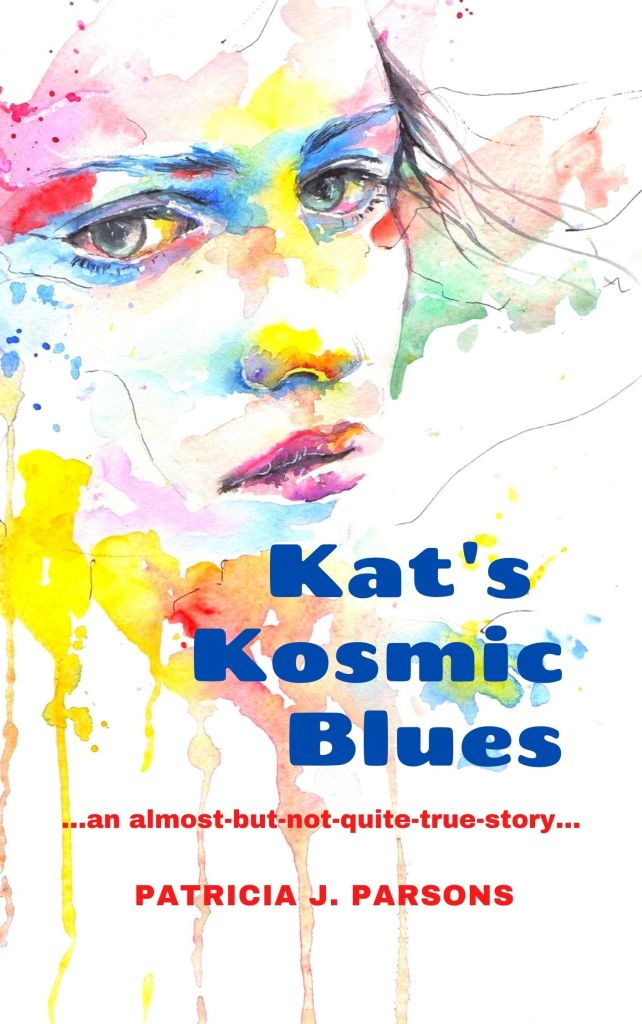
My interests in strong female characters, whether they are real people whose lives I’m writing about or historical figures woven into the fabric of a novel, also led me to an interest in contemporary women’s fiction. But traditional chick lit, with all of that entertaining silliness (not to mention their dumb covers) isn’t really my strong point, so I mashed up my interest in travel writing and chick lit to write a novel that is a bit chick lit that also presupposes a certain level of intelligence in the reader – and that includes a serious dose of a foreign setting that was researched thoroughly by both visiting the place and doing background digging. So what have I learned?
I have learned that there is a significant degree of pleasure for me to write in areas that use both my talents and my interests. I truly believe that this cross-writing has improved my writing overall. But it comes at something of a price – at least it is a price if you believe what it seems most everyone else is writing online about changing genres.
The loudest argument against this kind of movement seems to come from those for whom the main objective of writing is to sell books rather than to write them. I wonder what Ernest Hemingway, Leo Tolstoy, Daphne DuMaurier (my personal favourite) or even J.K. Rowling would have written if they had focused on what they thought readers wanted rather than on what they were compelled to write? Maybe nothing.
The new digital universe means that everyone of us can be a “published” writer. But the truth is that no matter what motivates us to write, most (almost all) will never make a living from that effort. Just accept that and keep writing.
As far as I’m concerned, focusing on continually improving your writing and pursuing the kind of writing that you want, regardless of how many different genres you choose, are the two elements of a happy writer. If the work is meant to become wildly successful, with a little effort in promoting to interested readers (no other desperate writers) it may indeed be successful. Even that “50 Shades of…” writer didn’t set out to please readers first. She set out to please herself.
Here’s to writers pleasing themselves!


 Patricia J. Parsons