
You might have to be of a certain age to remember her. Pippi Longstocking was a great friend of mine as a child. Of course, like any aspiring writer, many of my friends lived between the covers of the books I cherished. Pippi was one such friend—and a friend who taught me a lot about myself, who entertained me, and who, perhaps most importantly, inspired me, even though some of that inspiration wouldn’t find its way into the pages of my own books for many years.
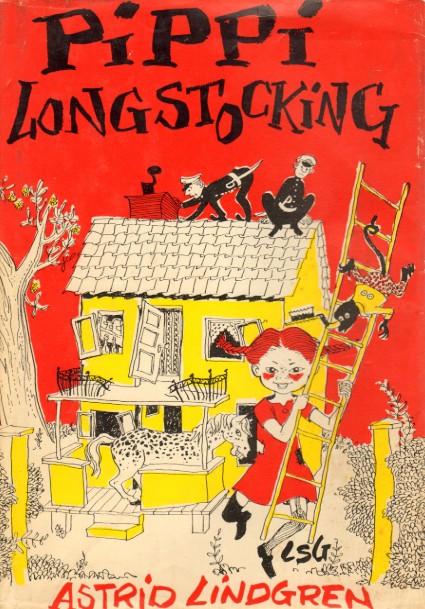
Published several decades even before my own birth, Pippi was the title character in Swedish writer Astrid Lindgren’s series of books. Pippi was a nine-year-old girl with superhuman physical strength, extraordinarily unconventional, fiercely independent and a particular disdain for pompous adults. In today’s terms, she would probably have been called quirky. She was a character unlike any ever created before her and Lindgren herself has said, “Everything great that has ever happened in this world happened first in somebody’s imagination.” But the truth is that even imagination needs to be fed.
Here are some key lessons I learned from Pippi.
- Unique characters are compelling characters. Pippi is extraordinary—a strong, independent girl who defies societal norms. Her quirky traits, like her incredible physical strength and her freckled face, make her unforgettable. Writers can take inspiration from this by giving their characters unexpected qualities or contradictions that set them apart.
- Showing the reader rather than telling the reader leads to a more engaged reader. Lindgren doesn’t simply describe Pippi as adventurous or generous; she shows it through Pippi’s actions—like hosting wild tea parties, standing up to bullies, and sharing her wealth with friends. Writers can aim to reveal character traits through behaviour and dialogue rather than exposition.
- You can address serious themes with humour. This has been key for me in recent years. In Pippi’s world, the tone of the story may be funny, but there is always a serious theme: loneliness, loss, and societal expectations. My own recent fiction has been, on the surface, satirical and funny. However, the themes are much more profound for readers who care to look.
- The setting can be a character. Pippi’s home, Villa Villekulla, mirrors her personality: colourful, chaotic, and full of surprises. I have learned to make the setting an extension of a character in some instances and a character on its own in others. When I wrote We Came from Away, I left little doubt but that the island of Newfoundland is a character unto itself.
I still have a copy of Pippi Longstocking on my bookshelf—in hardback. And I still cherish it. What’s your favourite childhood book?


 Patricia J. Parsons