 So, it actually happens. In fact, it happens more often than you might think. And it has happened to me more than once, although I’m happy to say that not as often as it hasn’t! Publishers go out of business for one reason or another.
The backstory: Just like most serious writers out there, I had always gravitated toward traditional publishers. They have the experience. They have the expertise. They have the money. Well, maybe this last one is not a given. In any case, until recently, it was probably the only route to being taken seriously as an author, although it has to be said that in some circles this is still the case. Nevertheless, on almost a dozen occasions, I went through the long, drawn out process of querying, waiting, submitting, waiting, reviewing, waiting, editing, waiting and so it goes. Eventually the books saw the light of day and I moved on. But what happens to your property (your book that you slaved over for a chunk of your life) when your publisher ceases to publish? Notwithstanding the legal issues of who owns copyright (you should), here’s one of my stories.
In 2008 I finally found a publisher for my memoir about being the mom to an elite ballet dancer who happened to be a boy in a hockey-mad country. The publisher was a small one with a years-long publishing record and the publisher loved the story. When the book was published in the spring of 2009, I hosted the book launch, bringing my son, the ballet dancer, and one of his female partners from the National Ballet of Canada back to Halifax to entertain my captive audience. Of course they came to see him dance, but had to listen to me talk about the book! It was all very exciting.
Another Pointe of View: The Life & Times of a Ballet Mom didn’t really do very well, and the publisher was not into electronic publishing at all, so it was never available as a downloadable e-book, effectively cutting off a significant and increasing proportion of the potential readership. The publisher sent me 100 books that I did not order, and they sat untouched in my office. (I’m sorry, but I’m not one of those people who are prepared to sell books out of the trunk of a car. Nor do I think that people interested in ballet stories are likely to buy them that way. But that’s just me.)
For the next two years I tried to get the publisher to send me a royalty statement: even if a book sells not a single copy, the author is entitled to see the statements, and in fact the publisher was bound by our contract to send me one periodically. The truth, however, was as low as the sales might have been, I knew that there had been sales since several people mentioned to me that they had bought it and had enjoyed it. So, imagine my surprise when I received a letter one day in 2011 indicating to me that I owed the publisher $1800.00!
The letter was from a woman who indicated she had been hired by the publisher to wind down operations – this was the first I had heard. She told me that the owner of the company was ill and would be retiring thus freeing the authors from any further obligations to the publisher except for this unpaid bill for 100 copies of my book (how it amounted to that much money I’ll never know). M y response was as follows: I most certainly was not going to pay any money for books I did not order – she could have them back if she was prepared to send money for the shipping; nor was I going to pay money to a publisher who had not once provided me with a royalty statement and was therefore in breach of contract. I asked for all rights to revert to me and I wanted it in writing. That letter came and not another word was uttered about money owning. I guess threatening to have my lawyer in touch with them did the trick.
So there I was with the book that I might as well have published myself. So, what do you do with a property that returns to you?
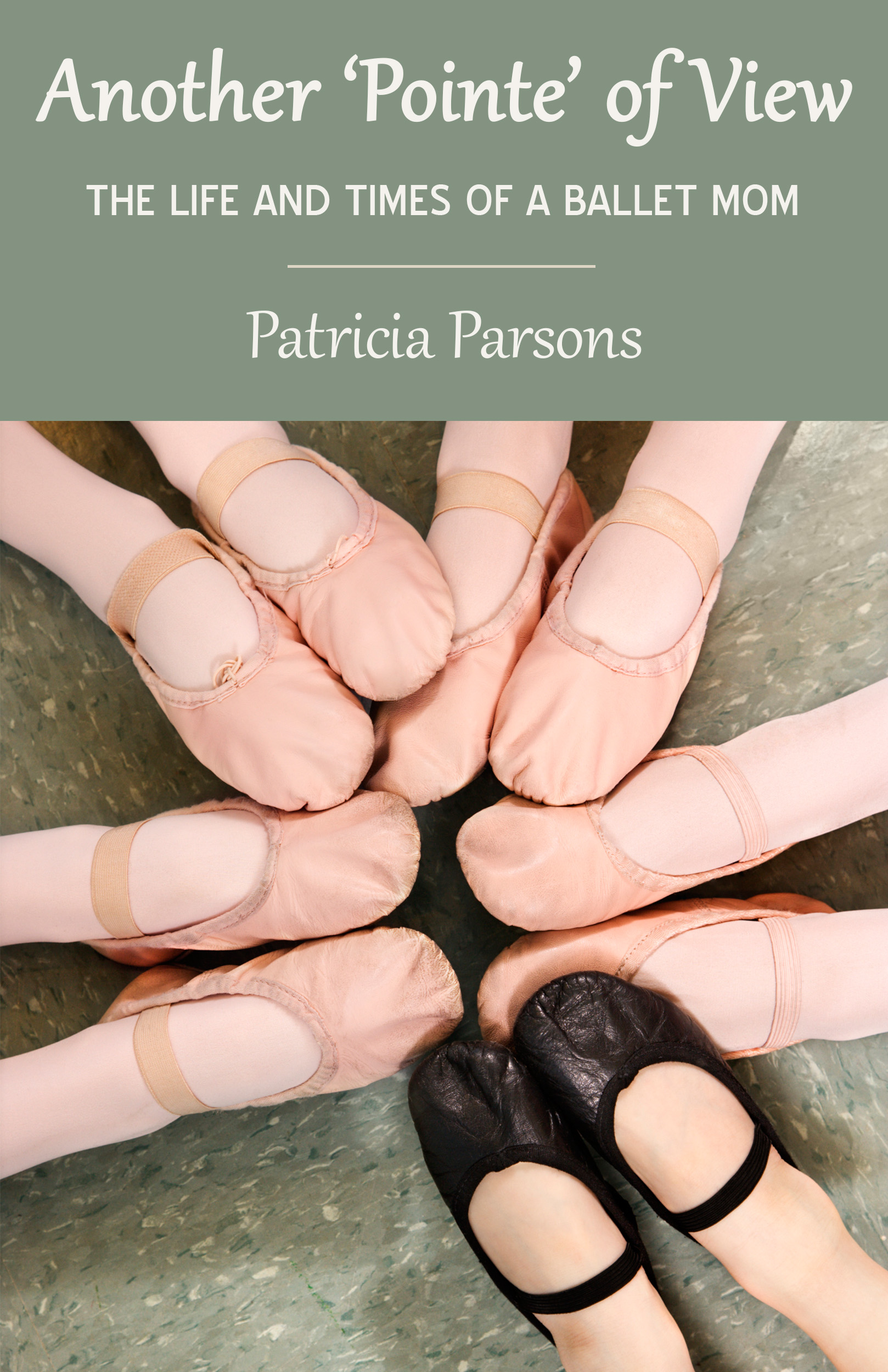
I decided that the evolution in publishing over the past several years provided me with a significant opportunity to revisit the book and see if I could garner a new audience for it. At this point the remnants of the publisher were unable to provide me with the final, edited manuscript in editable form, so I took the uneditable form and had it converted, then began the process of updating the work.
I decided that the book might find an audience these days with the e-book readers. I hired a book cover designer to come up with a more eye-catching cover, and then finished formatting the manuscript for electronic downloads. Then I published myself it via Kindle Direct and began letting people know that it’s available.
It’s funny how things have changed over the past several years. With Twitter and Facebook and other online possibilities, I had a request for a copy for review within a week from an international dance magazine who evidently had not heard of it before despite my publisher’s so-called promotion based on the marketing plan that I had delivered to her.
I think that my next step will be to make updated hard-copies available as well, thus making the ones currently available from online sellers (and from which authors receive not a single cent in royalties once a book is out of print) outdated and unwanted.
But what did I learn from all of this (and what could I offer as advice to other writers?)?
- Don’t trust your publisher to market your book for you. (I already knew this, but the experience brought it into sharp focus.)
- Publishers go out of business and leave you high and dry.
- Authors need to keep a certain amount of control over their properties, even when signing contracts with traditional publishers.
- If you have a well-edited manuscript (read: professionally edited), you can feel good about indie publishing.
But most importantly I learned that…
- You can breathe new life into old work.
…and that’s what I’m going to do with several other books, published by traditional publishers before the electronic era whose rights have reverted to me. Stay tuned!


 Patricia J. Parsons