Posted in Book launches, Fiction Writing, Writing books

Travel Inspires Writing – Again!

It’s not the first time this has happened, and it’s not likely to be the last. I find myself on an absorbing trip (because I love to travel and even write about it), and the next thing I know, the experience and the locale inspire a story. In my view, travel is one of the most inspiring experiences for writers. But that’s just me.

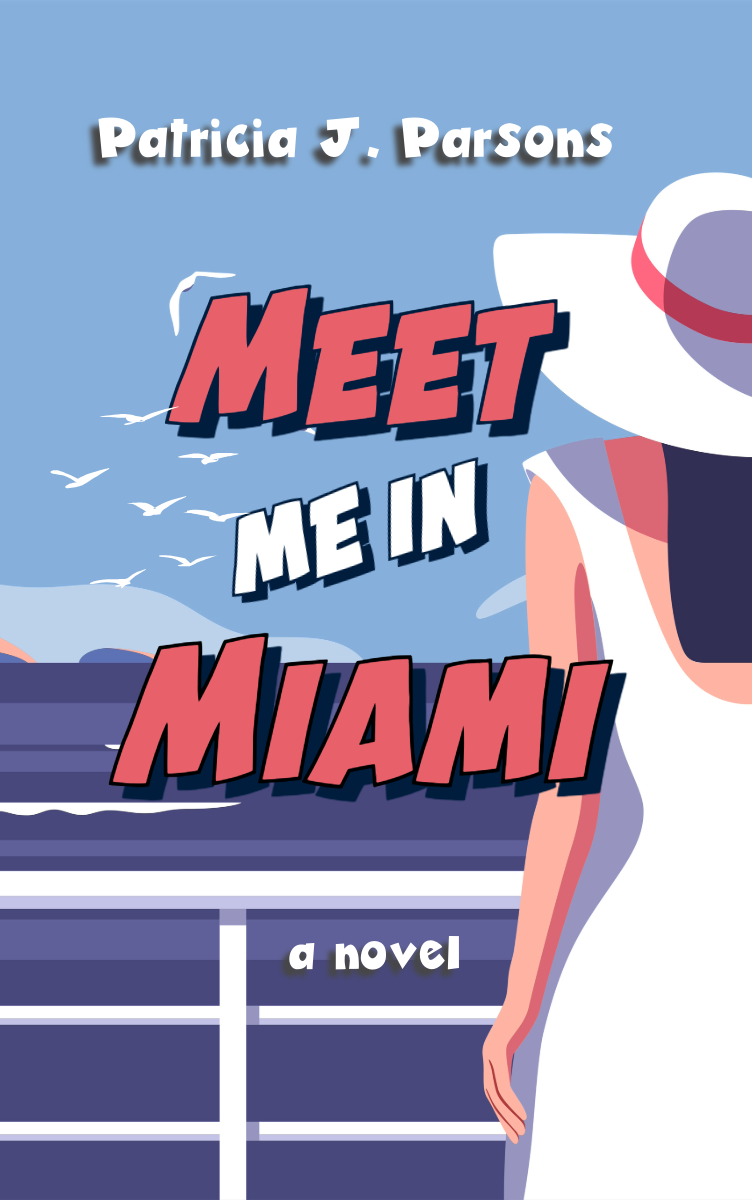
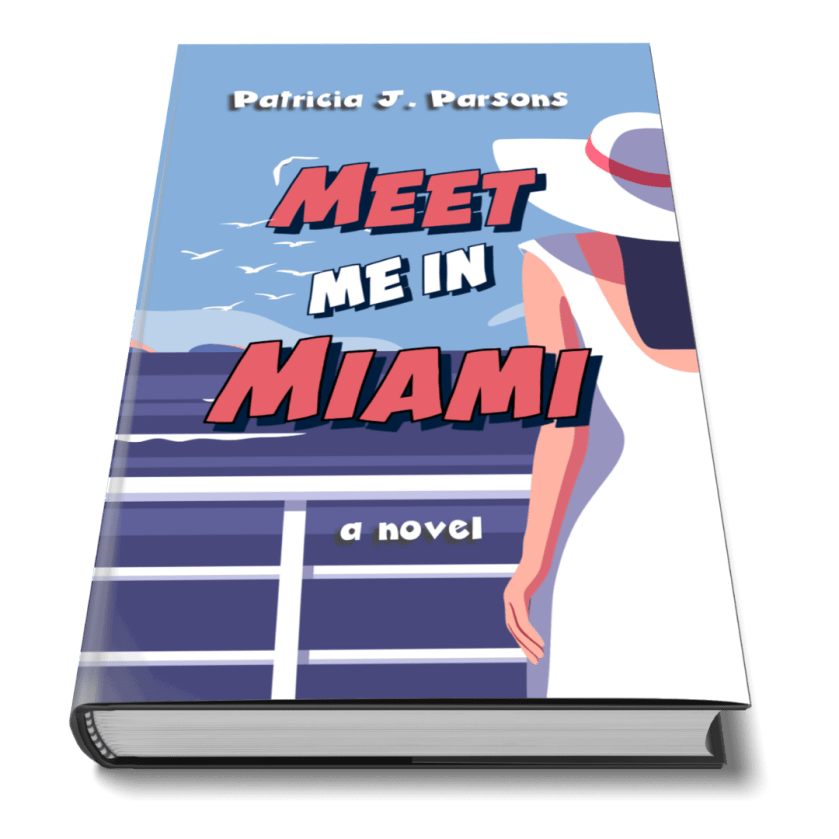
Two summers ago, a ten-day cross-island trip in Newfoundland inspired a book that seems to have started a new series. We Came From Away: That Summer on “The Rock” was inspired by a combination of that trip experience and the fact that my mother turned 100 years old that year. (She’s now 102!). Then, last year, my husband and I spent a month travelling in Brazil on a cruise up the Brazilian coast, into the Amazon River, and onto Miami. It seemed that the characters in We CAme From Away hadn’t finished with me yet. Now there’s a sequel: Meet Me in Miami.

February 1 seems like a great day for some armchair travel to a tropical location, doesn’t it? So, I’m inviting you along for some of that travel. Here’s the new book launching today.

What travels from your past might inspire a story … and a book?
Here’s what it’s about:

Life may not offer do-overs, but it might offer second chances.

Dr. Claire Barrett has it all. At least it seems that way to everyone but Claire. A successful doctor with two almost grown and successful children, an international reputation as one of the world’s finest pediatric surgeons, Claire at age fifty is as beautiful, stylish and driven as ever. She prides herself in making the best decisions to have gotten her where she is today. She did it all herself and from her home base in St. John’s, Newfoundland. But there is one decision that rankles. She should never have allowed Peter O’Brien to get away. She should never have agreed to the divorce. Was it her only mistake? Now she has a plan to fix that. She will win him back.

Eliza Houlihan Cohen, a New Yorker by way of Canada’s east coast, is a successful cookbook author. After years of putting up with her philandering husband Jake and his whining mother, she has finally broken free. And now that she’s met Dr. Peter O’Brien, she wonders if she might take another chance on love.

Eliza hates Miami, but when Peter asks her to take a cruise with him, ending in Miami, and she asks her daughter Izzy to meet her there for a holiday, Eliza decides she can cope. By the time her cruise through the Amazon reaches Miami, Eliza will wish she had never laid eyes on Peter’s ex-wife, Claire. The question is, though, will she feel the same about Peter?

Vanity, conceit and a single-minded pursuit of career goals, though, will only take you so far in this life. There comes a time when you must face the fact that everything is not about you.


It’s available from Amazon (which the cover above is linked to) or any other online retailer you like.

And … if you haven’t read We Came From Away yet …

Nora Houlihan’s children have been long gone from their family home in Newfoundland. Now, she is about to turn 100 and wants her children and grandchildren to find out what they’ve been missing on her beloved island. So, she arranges for her “come-from-away” family members to take a cross-island tour before her birthday party. By the time they are finished, they will be forever changed—and nothing in the family will ever be the same.

They say you can choose your friends, but you can’t choose your family. The question is this. If you could pick your family, would YOU choose yours?

Posted in Nonfiction Writing, Uncategorized

Keys to Writing Creative Nonfiction

I began my writing career as a nonfiction writer. Most of what I did in my early years was in the specific genre of “prescriptive nonfiction.” Eventually, my appetite for more creativity kicked in, and I transitioned my research skills into some creative nonfiction before I moved into writing fiction. But I’ve always realized that my forays into creative nonfiction were just the bridge I needed to get me into writing novels.

Creative nonfiction, also called narrative nonfiction, occupies the fascinating intersection of fact and storytelling. This genre combines the authenticity of factual writing with the artfulness of literary techniques, resulting in works that are as compelling as fiction but rooted in actual events, people, and experiences. Whether you’re recounting personal experiences, exploring historical events, or delving into cultural commentary, creative nonfiction offers an expansive playground for writers.

My latest episode of WRITE. FIX. REPEAT. has some tips for writing nonfiction.

Whether you’re an aspiring memoirist, a budding essayist, or a seasoned journalist, creative nonfiction offers myriad opportunities to tell important stories. If you approach your writing with honesty, curiosity, and creativity, you’ll create stories that resonate with readers. The truth isn’t just stranger than fiction—it’s often more enthralling.

Posted in Backstory, Books, Ideas generation

What I Learned from Pippi Longstocking

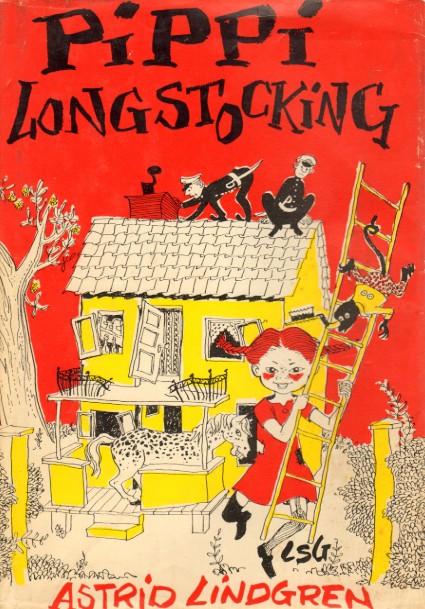
You might have to be of a certain age to remember her. Pippi Longstocking was a great friend of mine as a child. Of course, like any aspiring writer, many of my friends lived between the covers of the books I cherished. Pippi was one such friend—and a friend who taught me a lot about myself, who entertained me, and who, perhaps most importantly, inspired me, even though some of that inspiration wouldn’t find its way into the pages of my own books for many years.

Published several decades even before my own birth, Pippi was the title character in Swedish writer Astrid Lindgren’s series of books. Pippi was a nine-year-old girl with superhuman physical strength, extraordinarily unconventional, fiercely independent and a particular disdain for pompous adults. In today’s terms, she would probably have been called quirky. She was a character unlike any ever created before her and Lindgren herself has said, “Everything great that has ever happened in this world happened first in somebody’s imagination.” But the truth is that even imagination needs to be fed.

Here are some key lessons I learned from Pippi.

  • Unique characters are compelling characters. Pippi is extraordinary—a strong, independent girl who defies societal norms. Her quirky traits, like her incredible physical strength and her freckled face, make her unforgettable. Writers can take inspiration from this by giving their characters unexpected qualities or contradictions that set them apart.
  • Showing the reader rather than telling the reader leads to a more engaged reader. Lindgren doesn’t simply describe Pippi as adventurous or generous; she shows it through Pippi’s actions—like hosting wild tea parties, standing up to bullies, and sharing her wealth with friends. Writers can aim to reveal character traits through behaviour and dialogue rather than exposition.
  • You can address serious themes with humour. This has been key for me in recent years. In Pippi’s world, the tone of the story may be funny, but there is always a serious theme: loneliness, loss, and societal expectations. My own recent fiction has been, on the surface, satirical and funny. However, the themes are much more profound for readers who care to look.
  • The setting can be a character. Pippi’s home, Villa Villekulla, mirrors her personality: colourful, chaotic, and full of surprises. I have learned to make the setting an extension of a character in some instances and a character on its own in others. When I wrote We Came from Away, I left little doubt but that the island of Newfoundland is a character unto itself.

I still have a copy of Pippi Longstocking on my bookshelf—in hardback. And I still cherish it. What’s your favourite childhood book?